




Data centers in Italy: efficient cooling as a strategic lever for sustainability and continuity
Data center cooling in Italy requires advanced HVAC systems, digital monitoring, and integration with renewable energy for efficiency, continuity, and sustainability.
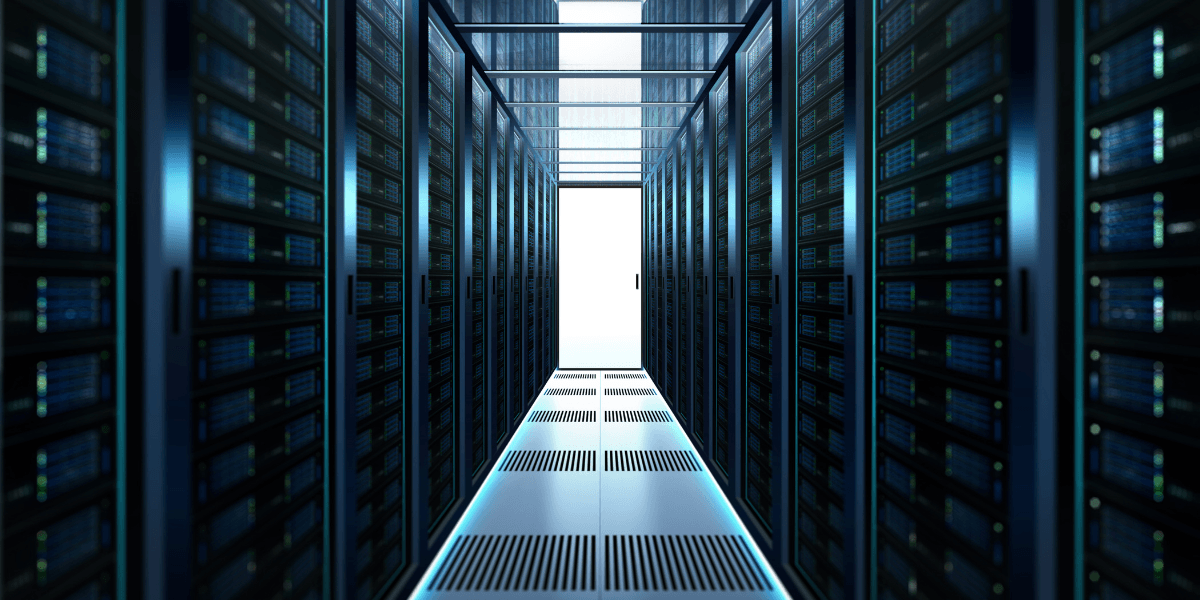
In recent years, Italy has seen a rapid expansion of data centers , fueled by the growth of cloud services, artificial intelligence, and the digitalization of businesses and public administration.
This expansion poses significant power and cooling challenges : servers generate large amounts of heat, constantly, 24/7. Inadequate cooling can compromise system performance, increase power consumption, and generate risks of downtime, with significant financial and operational consequences.
In this context, the role of industrial cooling and dedicated HVAC systems becomes central, not only to ensure operational continuity, but also to optimize energy efficiency and environmental sustainability.
Advanced thermal management technologies
To address the thermal challenges of data centers, HVAC solutions must combine high efficiency, intelligent control, and operational flexibility.
Among the main technologies :
- High-efficiency and free-cooling chillers , capable of modulating capacity based on actual loads and external conditions, reducing electricity consumption;
- CRAH/CRAC air handling units with advanced temperature and humidity management , essential to ensure server stability and security;
- Digital monitoring and automation systems , which allow you to optimize the operation of compressors, fans and heat pumps in real time;
- Integration with renewable sources and energy storage , to power part of the cooling systems with clean energy and reduce the impact on the electricity grid.
These technologies enable lower Power Usage Effectiveness (PUE), improving overall efficiency and making data centers more sustainable and resilient in the face of expansion demands and summer heat waves.
Energy optimization and sustainability
The integration of design, systems, and advanced technologies delivers tangible benefits on multiple fronts. Intelligent internal temperature management reduces consumption and waste, while well-sized HVAC systems ensure consistent performance without overloading the electrical grid.
At the same time, the adoption of industrial heat pumps and free-cooling systems allows for energy recovery and emissions reduction, transforming thermal loads into an opportunity to improve data center sustainability. These interventions have a direct impact on operational resilience, energy savings, and the ability to scale digital services without increasing the environmental footprint.
Training and skills for the future
The success of an efficient data center depends not only on technology, but also on the skills of HVAC/R technicians. Specialized training, ongoing education, and the adoption of standardized operating protocols maximize system efficiency and ensure compliance with environmental and safety regulations.
The industrial refrigeration supply chain must therefore develop new skills, focus on innovation and digitalization, and support companies in designing and managing resilient, efficient, and sustainable data centers.

Related Focus



FAQ – Domande frequenti
Data centers consume large amounts of electricity, primarily to power servers and cooling systems. In Italy, efficient HVAC/R systems are essential to ensure business continuity, reduce consumption, and reduce sustainability, reducing emissions and energy costs associated with data center management.
An optimized system allows for lower Power Usage Effectiveness (PUE), reduced energy waste, stable temperature and humidity, and prevention of server downtime. The use of technologies such as free cooling, high-efficiency heat pumps, and modulating control improves operational resilience and sustainability.
Solutions include high-efficiency liquid and air-cooled units, industrial heat pumps, free cooling systems, advanced heat exchangers, thermal storage, and digital monitoring tools. Integration with photovoltaic or other renewable energy sources can help reduce grid draw and electricity costs.
