




A2L refrigerants: the future of commercial refrigeration in supermarkets
A2L refrigerants are gaining traction in commercial refrigeration, combining low GWP, compatibility with existing systems, and operational opportunities for retailers and HVAC/R contractors.
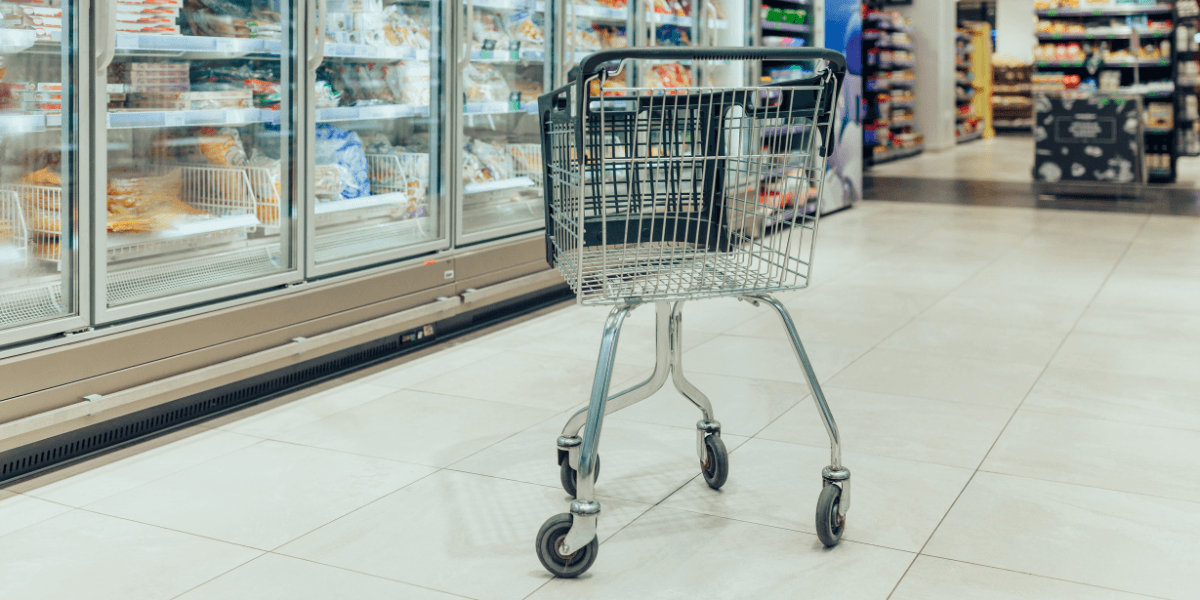
A2L refrigerants are gaining increasing attention in the commercial refrigeration sector, particularly for supermarkets and large food chains , where the combination of efficiency, safety, and sustainability is now essential. These low global warming potential (GWP) gases offer a concrete solution for replacing traditional HFCs without compromising system performance. Their widespread use represents not only a step toward meeting global climate goals, but also an opportunity for HVAC/R operators to update their skills and operating practices, integrating safer and more sustainable systems.
The push towards A2Ls stems from the growing need to reduce the environmental impact of commercial refrigeration without increasing operating costs. Compared to natural refrigerants like CO₂ or ammonia, A2Ls offer flexibility, ease of integration into existing systems, and thermodynamic performance similar to HFCs , making them suitable for a wide range of applications, from food retail to industrial refrigeration.
Benefits, limitations and operational implications
The main benefits of A2Ls include:
- Low GWP and reduced greenhouse gas emissions ;
- Compatibility with existing systems, reducing the need for costly retrofits;
- Energy efficiency comparable to HFCs , without compromising on performance;
- Regulatory compliance opportunities in regulated markets such as the European Union and the United States.
However, their mildly flammable nature requires careful design and maintenance of systems. Operators must be familiar with local regulations, safety codes, and flammable gas management protocols to ensure compliance and operational safety. Technician training therefore becomes crucial to supporting the effective and safe adoption of A2L.
Regulations and regulatory landscape
In the United States , the AIM Act is accelerating the reduction of HFCs, spurring the search for low-impact alternatives such as A2L. However, differing codes and standards across states and municipalities create operational complexity and uncertainty. Companies must be prepared to manage regulatory differences, legislative updates, and reporting requirements, while industry associations provide training and guidelines to facilitate the transition.
In Europe , F-Gas regulations and energy efficiency directives are pushing in the same direction, requiring a balance between compliance, safety, and business continuity. Mastering A2Ls therefore becomes key not only to reducing environmental impact but also to ensuring stability and competitiveness for operators in the commercial refrigeration supply chain.
Towards a sustainable and operational future
Despite regulatory and operational challenges, A2Ls represent a concrete opportunity to make commercial refrigeration more sustainable , ensuring reliable performance and environmental compliance. Companies adopting these refrigerants can:
- Reduce greenhouse gas emissions;
- Optimize the energy efficiency of systems;
- Integrate intelligent technologies for monitoring and control ;
- Update staff skills and technical training ;
- Prepare for future stricter regulations and evolving markets.
For HVAC/R contractors, knowledge of A2L has become an essential skill, allowing them to remain competitive in a market increasingly oriented towards sustainability and reducing climate impact.

Related Focus
FAQ – Domande frequenti
A2L refrigerants, mildly flammable and with low GWP, offer a sustainable alternative to traditional HFCs, reducing environmental impact and energy consumption. In supermarkets, where refrigeration systems are extensive and operate 24/7, adopting A2L combines efficiency, safety, and regulatory compliance, supporting the transition to more sustainable systems.
A2L units optimize seasonal performance, reduce electricity consumption, and ensure compatibility with digital monitoring and control systems. They can be used in centralized condensing units, cold aisle systems, and refrigerated cabinets, maintaining safety and operational continuity thanks to controlled load limits and adequate ventilation.
Adopting A2L offers environmental benefits, energy efficiency, and reduced operating costs. The HVAC/R supply chain can offer innovative, safe, and sustainable systems, increasing added value for customers and contributing to decarbonization and energy transition goals, with greater control over performance, safety, and lifecycle management of refrigerants.
