



Low-GWP refrigerants: technical training becomes central to service
The new UNEP-AREA handbook supports technicians and training centers in the safe, efficient and sustainable management of low-GWP refrigerants.
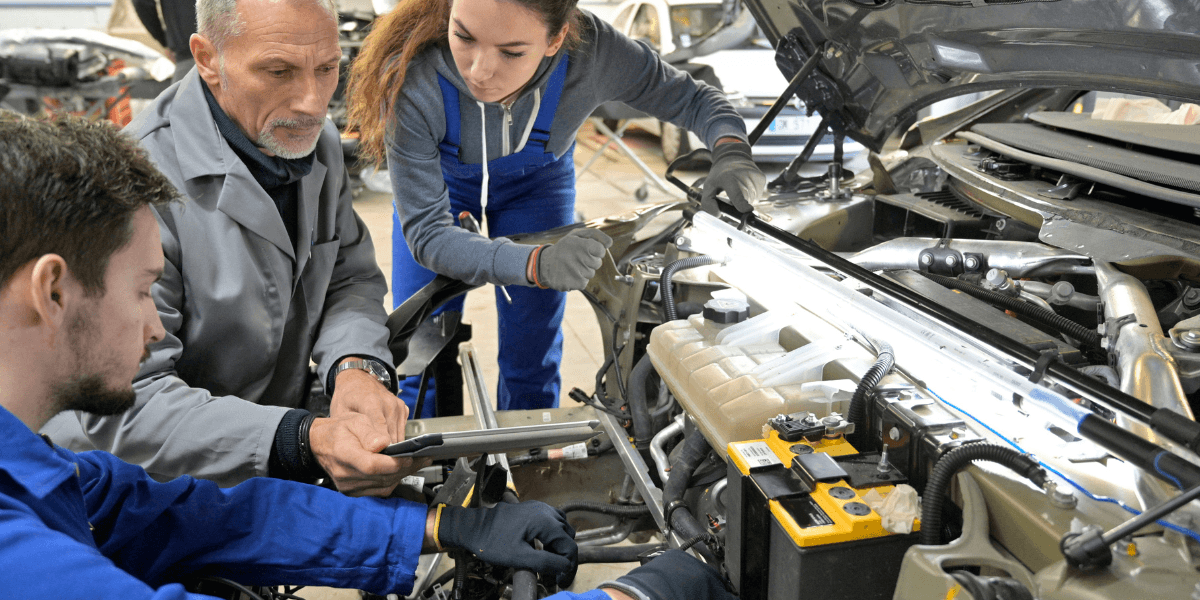
The transition to low-GWP refrigerants is profoundly changing the work of refrigeration and air conditioning technicians. It's not just about learning about new fluids, but also knowing how to manage them safely, efficiently, and responsibly throughout all operational phases: selection, installation, maintenance, recovery, storage, and transportation.
In this context, UNEP OzonAction and AREA have developed a new training manual dedicated to refrigerant service , designed to support technicians and training institutions in updating their skills. The document was born from the need to support the spread of alternative refrigerants, including A2L and A3, which are characterized by greater flammability and therefore have specific management requirements.
Alternative refrigerants: new skills for safe work
Regulatory and technological developments in the HVAC/R sector are accelerating the adoption of refrigerants with lower climate impact. This transformation, however, requires a quantum leap in training , as many alternative fluids have different characteristics than traditional refrigerants.
Managing A2L and A3 refrigerants, for example, requires greater attention to risk assessment, ventilation, charge limits, leak detection, intervention procedures, and safety devices. For technicians, knowing the refrigerant's properties isn't enough: it's essential to understand how those properties impact daily installation, maintenance, and service activities.
The manual addresses precisely these aspects, combining theoretical content and practical training on topics such as:
- characteristics of conventional and alternative refrigerants;
- safety in handling, storage and transport;
- leak prevention and detection;
- compliance with applicable laws, policies and standards;
- refrigerant selection based on different applications;
- managing risks associated with low-GWP flammable refrigerants.
For the cold chain, these findings confirm a key point: the transition cannot proceed without trained, up-to-date technicians capable of operating according to correct procedures.
A modular path to adapt training to operational needs
One of the most interesting elements of the manual is its modular structure . The program is organized into 10 independent modules, which can be combined to create customized training paths based on the participants' level, course objectives, and application context.
Eight pre-assembled courses are also available, ranging in length from short sessions of about five hours to more comprehensive programs lasting up to 56 hours. Each module or course includes a complete training package, including lesson materials, presentations, assessment tests, trainer requirements, equipment specifications, and certificate templates.
This approach is particularly useful because the training needs of the industry are not uniform. A technician who primarily works on existing systems may have different needs than someone working on new installations with natural refrigerants or equipment that uses flammable fluids. Modularity therefore allows for more targeted and progressive skill development.
Good practices and environmental responsibility in the refrigerant life cycle
Technical training not only addresses immediate safety during operations, but also environmental responsibility . Improper refrigerant management can lead to leaks, emissions, system inefficiencies, and critical issues during recovery or disposal.
For this reason, the manual focuses on good service practices, leak prevention, and proper refrigerant management throughout its life cycle. In a period of progressive reduction in HFCs and the growth of low-GWP alternatives, avoiding leaks and improving the quality of interventions is essential both to meet climate objectives and to ensure operational continuity of systems.
For installers, maintenance technicians, and training centers, tools like this are an important tool for standardizing technical preparation and reducing the risk of incorrect applications . The refrigerant transition requires clear standards and appropriate technologies, but above all, trained personnel to apply them in the field.
In the refrigeration industry, expertise will increasingly be a competitive factor. Knowing how to manage conventional and alternative refrigerants safely, efficiently, and sustainably means offering quality service, reducing risks, and making a tangible contribution to the transformation of the HVAC/R market.
Related Focus

FAQ – Domande frequenti
Because many low-GWP refrigerants introduce different operating requirements than traditional HFCs. CO₂, hydrocarbons, ammonia, and A2L refrigerants require specific expertise regarding operating pressures, flammability, toxicity, ventilation, charge limits, leak detection, and emergency procedures. When servicing, it's not enough to simply understand the refrigeration cycle: safety is essential, complying with regulations, manufacturer's instructions, and the actual system conditions.
The technician must be able to identify the refrigerant and its safety classification, verify component compatibility, manage recovery and charging, evaluate ventilation and ignition sources, use appropriate tools, and apply correct procedures in the event of a leak or unscheduled maintenance. Expertise in F-Gas regulations, registration, traceability, PPE, brazing, vacuum, leak testing, and system testing is also required.
Unqualified service can cause refrigerant leaks, incorrect charges, out-of-spec pressures, unauthorized mixing, compressor failures, and hazardous conditions for people and the environment. With flammable or high-pressure refrigerants, seemingly ordinary errors can have more serious consequences. In commercial and industrial settings, these problems can also result in plant downtime, product loss, high energy costs, and regulatory liability.
