




HVAC/R Technicians and the Data Center Boom: Key Skills for Commercial Refrigeration
The data center boom is increasing the demand for specialized HVAC/R technicians and refrigeration engineers, creating opportunities for innovation, efficiency, and advanced services in the commercial and industrial sectors.
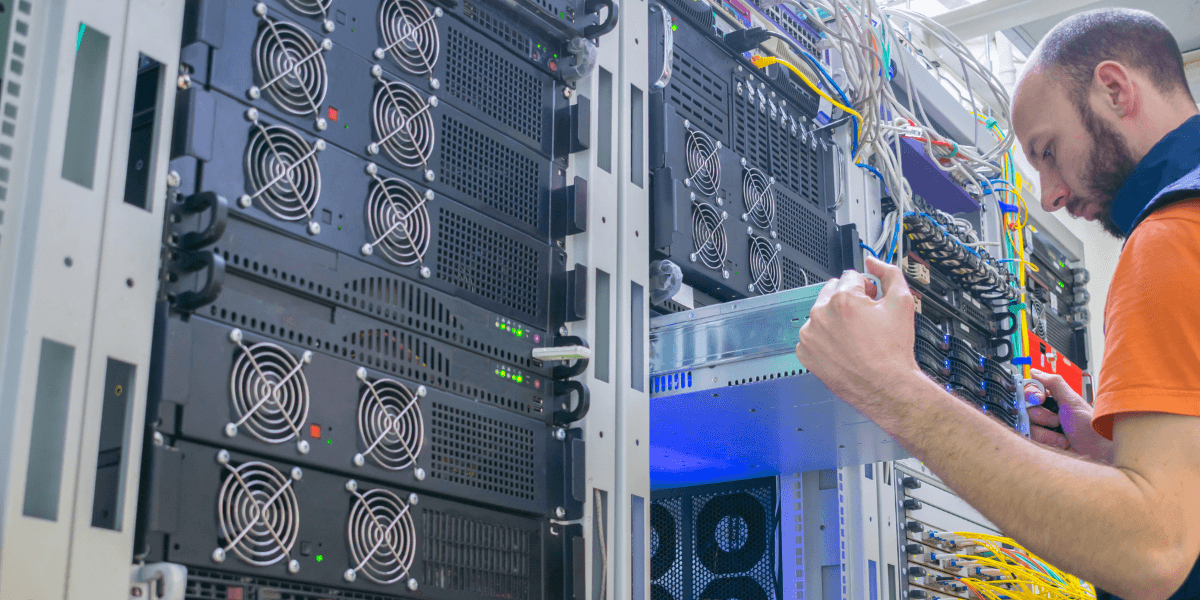
The exponential growth of data centers —driven by AI, cloud, and digital services—has made refrigeration and thermal management a central issue.
Data center HVAC/R systems are more than just air conditioning systems: they must ensure precise temperature control, stable humidity, and operational continuity, minimizing the risk of downtime and ensuring energy efficiency. This scenario has highlighted a significant gap: the availability of technicians specialized in commercial and industrial refrigeration is still insufficient to meet the growing demand .
Required HVAC/R Skills and Training
Data centers require professionals capable of managing complex systems, which integrate:
- Centralized refrigeration units , often with liquid configurations and backup systems;
- Low GWP heat pumps and refrigerants , in line with environmental and ESG regulations;
- Digital monitoring and intelligent control of refrigeration cycles , with IoT and automation systems;
- Management of compressors , evaporators and condensers in highly critical contexts.
Traditional HVAC training doesn't always adequately prepare for these challenges. Therefore, companies are developing targeted training programs, partnering with manufacturers, technical schools, and training centers to create a pipeline of experienced refrigeration technicians for data centers and commercial facilities.
Opportunities for the refrigeration sector
The data center boom represents a strategic opportunity for the HVAC/R sector. Companies that invest in training, technical updates, and specialized services can:
- Offer more efficient and sustainable refrigeration solutions;
- Ensure predictive maintenance and rapid interventions , reducing downtime and risks;
- Adopt innovative technologies that combine energy efficiency and regulatory compliance;
- Expand your business into a fast-growing, high-tech market.
Towards sustainable and resilient refrigeration
To address the growing complexity of data centers, the refrigeration industry must leverage advanced skills, continuous training, and innovative systems integration. Only in this way will it be possible to ensure reliable, efficient, and sustainable systems capable of meeting the challenges of growing and increasingly regulated energy demand, transforming the shortage of HVAC/R technicians into an opportunity for innovation and growth in the industry.

Related Focus
FAQ – Domande frequenti
The growth of data centers in Italy and Europe is increasing the demand for high-efficiency commercial and industrial refrigeration systems. HVAC/R technicians are becoming crucial to ensuring reliable cooling, operational continuity, and optimized energy management, which are essential for the sustainability and energy resilience of data centers.
Technicians must be familiar with high-efficiency refrigeration systems, heat pump management, liquid and air-cooled units, heat recovery, modulating control, and digital monitoring. Training on refrigerant safety, F-Gas, electrical load management, and predictive maintenance is also essential to ensure consistent performance and operational safety.
Intelligent systems and sensors allow real-time monitoring of temperatures, pressures, energy consumption, and component status. This allows for timely interventions, optimization of refrigeration cycles, reduction of consumption, and increased reliability of critical infrastructure.
