



Contaminated refrigerants: risks to plant efficiency, reliability, and safety
Humidity, air, residues, or other refrigerants can compromise performance and safety: purity and traceability become essential.
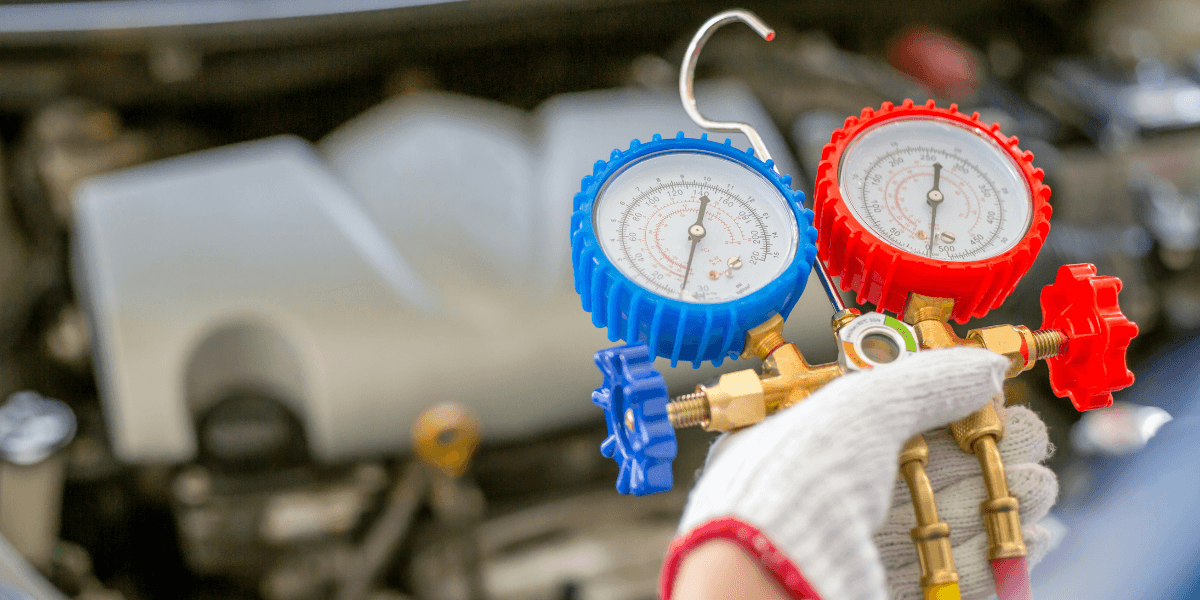
Refrigerant quality is critical to the proper functioning of any refrigeration system. A fluid contaminated by moisture, air, residues, particles, or other refrigerants can alter the system's operating conditions, reduce performance, and, in critical cases, cause component damage.
The issue has returned to the industry's attention following recent checks on refrigerants purchased through unverified channels, which found significant differences between the declared composition and that actually contained in the cylinders.
For refrigeration engineers, maintenance technicians, and system managers, the problem therefore goes beyond simple commercial compliance. Introducing a refrigerant of an incorrect composition or purity into the circuit can alter pressures, temperatures, refrigeration capacity, and safety conditions , making it more difficult to diagnose any anomalies.
Humidity, air, and other refrigerants: where contamination comes from
Contamination can occur at various points in the refrigerant's life cycle: during production and packaging, during transfer operations, during recovery, or directly within the system following incorrect installation or maintenance procedures.
Common contaminants include:
- water and humidity ;
- non-condensable gases, especially air;
- oil residues;
- solid particles and corrosion products;
- high boiling point impurities;
- other refrigerants or mixtures with a composition different from that intended.
Moisture is one of the most critical problems. Under certain conditions, it can react with lubricants and other materials, promoting the formation of acids, corrosion, and deposits. It can also freeze in the coldest points of the circuit, restricting the flow of refrigerant.
The presence of non-condensable gases can also alter the operation of the system, increasing condensation pressures and worsening the efficiency of the heat exchange.
A non-compliant refrigerant can change the behavior of the system
Contamination becomes even more critical when a refrigerant other than the one declared is present inside the cylinder.
Each fluid has specific thermodynamic properties, operating pressures, characteristic temperatures, and safety classifications. A mixture with the wrong composition can therefore behave very differently from what the designer or manufacturer of the equipment intended.
Consequences may include:
- reduction in cooling capacity;
- increase in consumption;
- abnormal flow temperatures;
- operating pressures different from those expected;
- lubrication problems;
- compressor damage;
- premature wear of components;
- increased maintenance and plant downtime costs.
The issue also concerns safety . If a fluid with different flammability characteristics is unknowingly introduced into the circuit, the system's design conditions may no longer be consistent with the refrigerant actually present.
Purity and composition must be verifiable
To evaluate the quality of a refrigerant, it is not enough to simply check the name on the cylinder.
One of the international references used for purity specifications is the AHRI Standard 700 , which defines test methods and limits relating to several parameters, including composition, water, non-condensable gases, high-boiling residues and volatile impurities.
In regenerated refrigerants, for example, parameters such as:
- water content;
- acidity;
- presence of chlorides;
- residues and particles;
- non-condensable gases;
- other refrigerants and volatile impurities.
These checks become particularly important when the fluid comes from recovery and regeneration circuits, because they allow it to be returned to conditions of purity compatible with its subsequent reuse.
Traceability and best practices become part of maintenance
Prevention starts first and foremost with refrigerant traceability and the use of reliable supply channels.
During recovery and maintenance, it is equally important to avoid accidental mixing of different refrigerants, use correctly identified containers, and keep equipment, pipes, and tools used in charging operations clean.
In cases of doubt, refrigerant analysis can help verify the composition before reintroducing it into a system or sending it for regeneration.
For the refrigeration industry, this issue is becoming increasingly important, especially with the spread of new refrigerants and increasingly diverse mixtures . Confusing fluids with different properties can impact not only performance but also the safety procedures required during operations.
Refrigerant quality must therefore be considered an integral part of system maintenance: preserving purity, composition and traceability means simultaneously protecting the efficiency, reliability and safety of the refrigeration system .
Related Focus



FAQ – Domande frequenti
The most common contaminants are moisture, air and other non-condensable gases, oil residues, solid particles, and other refrigerants accidentally introduced during production, recovery, transfer, or maintenance.
It can cause loss of cooling capacity, increased pressure and consumption, corrosion, compressor damage, and premature failure. If the composition differs from that declared, safety issues may also arise.
Verification requires analysis of the composition and contaminants present, using specific test methods. The AHRI 700 Standard represents an international benchmark for defining purity requirements and refrigerant analysis procedures.
