



Alternative refrigerants: the F-Gas transition depends on the expertise of technicians.
The transition to alternative refrigerants requires trained technicians: practical training and skills become crucial for the safety and dissemination of new technologies.
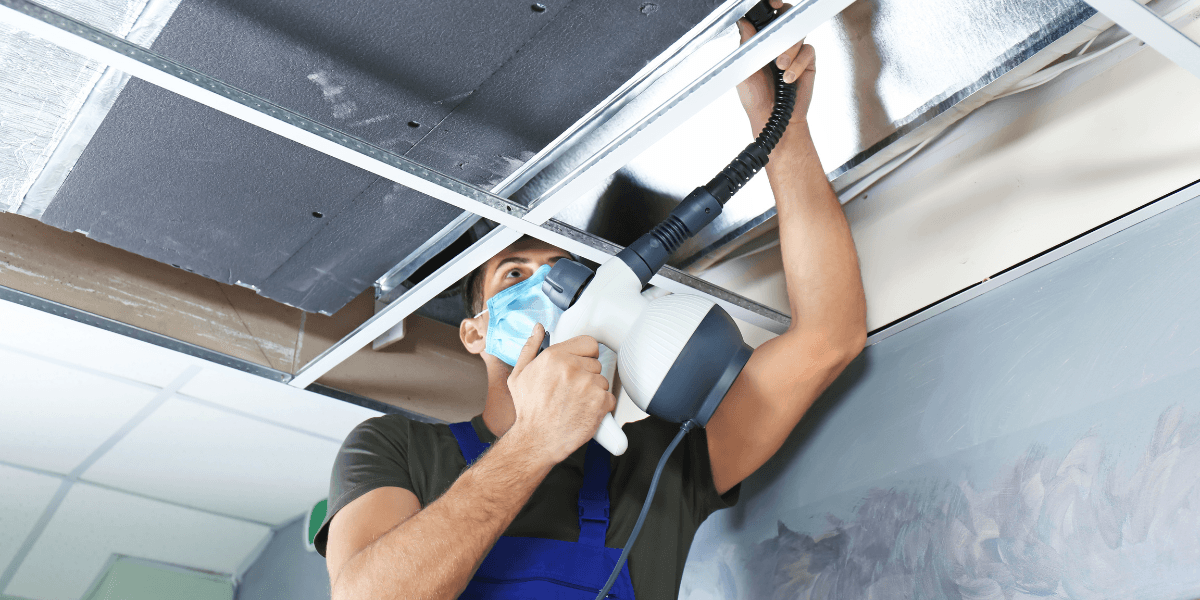
The transition to low-GWP and natural refrigerants is rapidly changing technologies and operating methods in the refrigeration sector. But for the transition required by the new F-Gas framework to occur safely, equipment availability must be accompanied by the training of technicians capable of installing, maintaining, and managing systems based on fluids with very different characteristics .
The topic emerged forcefully during Chillventa 2026, where the European discussion on RACHP training highlighted a challenge that goes beyond simply having a certification. There are approximately 375,000 certified technicians in Europe, but the introduction of hydrocarbons, CO₂, ammonia, and HFOs requires an update of theoretical and, above all, practical skills.
For the refrigeration industry, the point is therefore becoming increasingly concrete: the availability of adequately trained professionals can determine the speed with which new technologies and new refrigerants will actually be able to spread on the market .
Different refrigerants require different skills
Switching from traditional refrigerants to climate-friendly alternatives is not simply a matter of replacing a fluid within the same circuit.
CO₂, ammonia, and hydrocarbons have different operating characteristics, which can introduce high pressures, flammability, or toxicity and therefore require specific procedures, tools, and risk assessments.
The required skills cover the entire life cycle of the system: installation, commissioning, maintenance, leak detection, refrigerant recovery, and decommissioning.
This is precisely one of the aspects that distinguishes the new phase of professional training. Knowledge of the refrigeration cycle remains essential, but it must be combined with the ability to correctly assess the safety conditions of the intervention and use equipment appropriate for the refrigerant present.
For example, the preparation of training courses dedicated to ammonia is particularly complex, while propane and CO₂ have already been permanently included in the professional programs of some European countries.
Practical training becomes crucial
The evolution of the sector is also highlighting the limitations of exclusively theoretical training.
Working with alternative refrigerants requires practical knowledge of the equipment, procedures, and tools used in the field. For this reason, the most structured training models combine e-learning, theoretical lessons, practical activities, and a final skills assessment .
A particularly interesting aspect that emerged from the European comparison also concerns the training of trainers. Increasing the availability of qualified technicians requires more than just updating programs: adequate laboratories, specific equipment, and personnel capable of transferring skills consistent with the technologies available on the market are needed.
Some vocational training systems are already integrating propane and CO₂ into apprenticeships, combining in-company experience, vocational school and practical exercises .
A model that shows how the transition can begin already in basic training, rather than being addressed only through subsequent refresher courses.
Without qualified technicians the transition risks slowing down
The issue of skills therefore takes on a strategic value for the market as well.
The new F-Gas Regulation pushes towards different technologies and refrigerants, but their diffusion requires a sufficiently large network of professionals capable of designing, installing and, above all, maintaining the systems over time .
For manufacturers and installation companies, the availability of qualified personnel thus becomes part of the technological transition itself. A solution may be industrially ready, but it will be difficult to achieve significant deployment if the local area lacks technicians capable of safely servicing it.
The message that emerged at Chillventa 2026 is therefore broader than the certification itself: the F-Gas transition requires the construction of a true ecosystem of skills , in which regulations, training, laboratories, equipment and professional practice proceed together.
For the refrigeration sector, investing in training therefore means not only complying with new obligations, but also creating the conditions so that natural and alternative refrigerants can be adopted safely, reliably, and with high-quality interventions .
Related Focus



FAQ – Domande frequenti
Refrigerants such as CO₂, ammonia, and hydrocarbons have different operating characteristics, including high pressures, flammability, or toxicity. Technicians must therefore be familiar with specific procedures, equipment, and safety measures.
Certification is an important requirement, but it must be accompanied by verifiable practical skills, especially for installation, maintenance, leak detection, recovery, and end-of-life management of systems.
In addition to knowledge of the refrigeration cycle, risk assessment, management of flammable or high-pressure refrigerants, use of specific equipment, and safe intervention procedures will become increasingly important.
