




The transition to A2L raises new compliance issues
The transition to A2L refrigerants introduces compliance issues regarding safety, regulations, and HVAC/R system design.
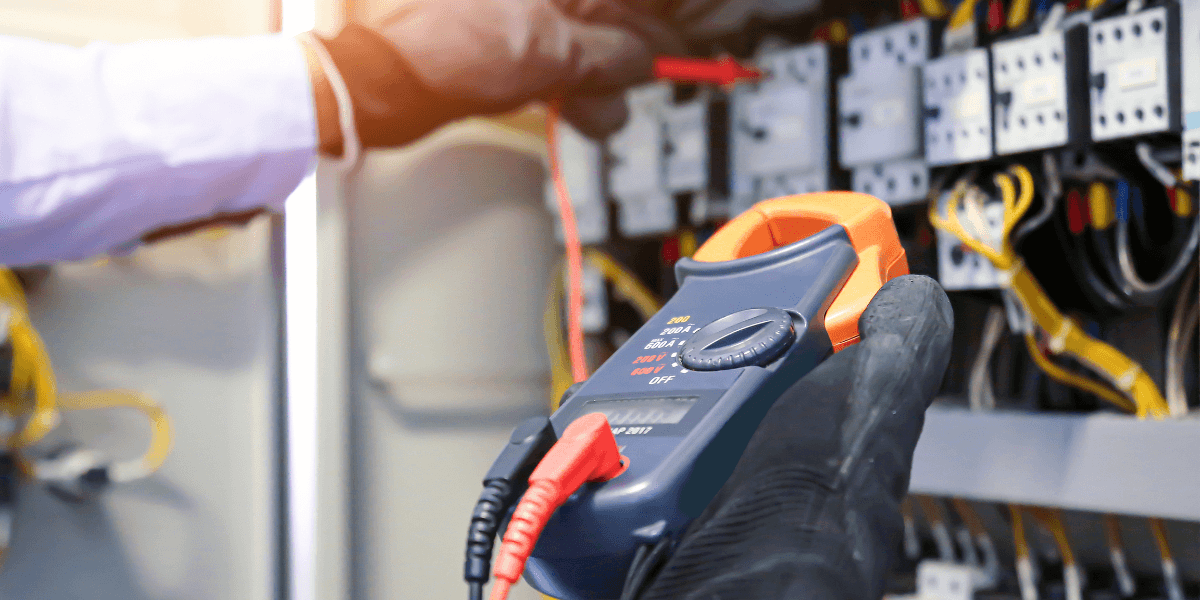
The adoption of A2L refrigerants , characterized by low global warming potential (GWP), is now a consolidated reality in the HVAC/R industry's transition towards more sustainable solutions. These fluids represent a middle ground between traditional and natural refrigerants, offering an attractive compromise between climate impact, energy efficiency, and performance. However, the widespread introduction of A2L refrigerants has brought to light new regulatory compliance and safety challenges , precisely because these refrigerants are slightly flammable. This requires attention not only to the GWP level, but also to the technical specifications and installation conditions of the systems.
International and local regulations are rapidly evolving to ensure the safe use of A2L systems and comply with legal standards. For HVAC/R operators, this means correctly interpreting design, fire protection, and technical documentation requirements, paying close attention to project compliance, component certification, and installation and maintenance instructions.
Safety and operational responsibility
One of the key issues surrounding the use of A2L refrigerants concerns operational safety . As refrigerants with limited flammability , it is essential that systems are designed, installed, and maintained following rigorous procedures to prevent leaks, dangerous buildup, and hazardous conditions. In the regulatory context, this translates into clear requirements regarding:
- the selection and placement of components certified for use with A2L refrigerants;
- the assessment of fire or explosion risks as a function of volumes, enclosed spaces and ventilation;
- the implementation of adequate detection and alarm systems ;
- complete documentation for compliance with fire safety and environmental regulations.
These issues aren't just bureaucratic: they have tangible impacts on end-user safety, system reliability, and the legal liability of professionals. Therefore, compliance can't be treated as an afterthought, but must be an integral part of the design and management of HVAC/R systems.
Impacts on design and maintenance
Regulatory developments related to A2Ls directly impact system design, testing, and maintenance processes . Professionals must consider aspects that go beyond simple refrigerant choice:
- check the compatibility of components and devices with A2L ;
- correctly size piping, valves and control systems for specific operating conditions;
- provide adequate use and maintenance instructions for the customer;
- apply post-installation testing and verification protocols to certify safety;
This also requires continuous updating of the technical and regulatory skills of designers, installers, maintenance technicians, and inspectors, who must be prepared to operate in an evolving regulatory environment. Without these skills, systems risk failing to comply with legal requirements or operating suboptimally, potentially impacting reliability and safety.
Towards a more aware HVAC/R supply chain
The transition to A2L is not just a technological shift, but a cultural and operational challenge for the entire supply chain. Correctly interpreting regulations, anticipating risks, and adopting standard safety procedures are key to successfully implementing low-GWP refrigerants in HVAC/R systems. Only a well-prepared supply chain can guarantee safe, compliant, and high-performance systems, meeting environmental sustainability and consumer protection expectations.
Ultimately, regulatory compliance is not an obstacle to overcome, but a guarantee of quality and reliability for tomorrow's technologies, with a positive impact on supplier reputations, user trust, and the spread of sustainable solutions.

Related Focus

FAQ – Domande frequenti
Primary risks include fire, explosion, damage to electrical components, system malfunctions, and service interruptions. Failure to assess charging limits, inappropriate ventilation, or in proper maintenance procedures can compromise safety, business continuity, and legal liability for installers and operators.
Maximum load limits, safety distances, minimum ventilation, leak detectors, component compatibility, room classification, emergency procedures, and personnel training must be adhered to. The choice of A2L must be supported by technical documentation, safety data sheets, risk assessments, and installation and maintenance records.
The transition encourages the adoption of low-GWP refrigerants, reduces environmental impact and emissions-related costs, and stimulates innovation in system design, regulation, monitoring, and maintenance. For designers and operators, compliance becomes an opportunity to implement safer, more efficient, and more sustainable systems, integrated with energy efficiency and decarbonization strategies.
