




The future of refrigerants lies in technology, safety, and regulations.
The transition to low-GWP refrigerants continues to evolve amid new regulations, A2L, and operational challenges for the HVAC/R industry.
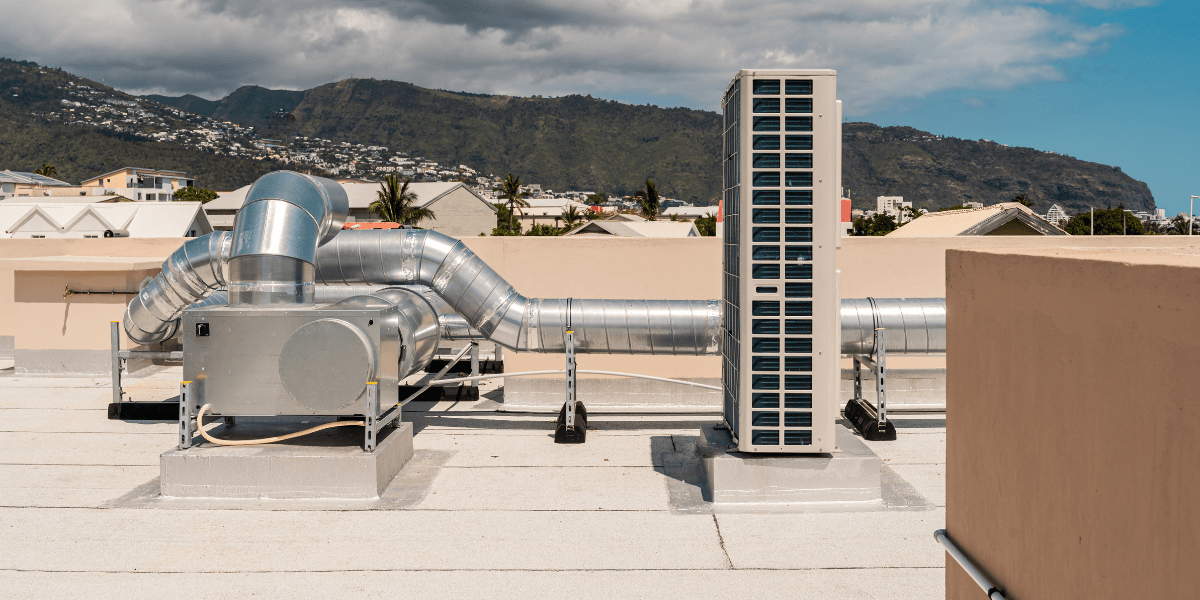
In the HVAC/R industry, the regulatory landscape for refrigerants continues to evolve rapidly, making planning increasingly complex for manufacturers, contractors, and refrigeration operators. Between new EPA regulations, the transition to A2L refrigerants, and differing state regulations, the market today faces an ever-changing landscape.
The issue is not just about replacing high-GWP refrigerants, but also involves transition times, technology availability, updated safety standards, and plant operational management.
The A2L transition continues to redefine the market
One of the key issues concerns the transition to low-GWP A2L refrigerants , which are set to gradually replace many traditional solutions used in HVAC/R systems. However, the transition is proceeding in a complex manner, due to regulatory updates, revised deadlines, and differences between the various refrigeration sectors.
In the United States, the EPA is reevaluating some of the timelines set forth in the Technology Transitions Rule, especially for certain segments of commercial refrigeration. At the same time, several states are introducing their own regulations, creating a regulatory framework that is not always uniform.
This scenario makes supply chain management and technical planning more complex, especially for companies operating in different markets or coordinating installations under very tight deadlines.
Safety, Codes, and Design: Operational Challenges
The spread of A2L refrigerants and low-GWP alternatives is also changing the way refrigeration systems are designed . New solutions require increasing attention to aspects such as:
- charge limits
- ventilation and safety
- updating building codes
- training of technicians
- equipment adaptation
Many technical standards and security codes are still being updated, in some cases slowing the adoption of new technologies.
For the commercial and industrial refrigeration sector, this means having to manage a transition phase in which technological innovation and regulatory compliance must proceed in parallel.
Refrigeration and regulations: greater stability is needed
One of the most highlighted aspects by HVAC/R operators is the need for a more stable and predictable regulatory framework . Constant updates, extensions, and differences between federal and local regulations risk generating operational uncertainty, supply difficulties, and increased costs along the supply chain.
Looking ahead, the transition to low-GWP refrigerants will continue to represent one of the most important changes for the HVAC/R industry. However, in addition to technological innovation, ensuring regulatory consistency, technical training, and alignment between industry, safety, and regulation will be crucial.
For the refrigeration industry, the real challenge will not only be adopting new refrigerants, but also managing a regulatory transformation that continues to evolve rapidly.

Related Focus


FAQ – Domande frequenti
In the medium term, a growing diffusion of natural refrigerants, high-efficiency heat pumps, and digitalized systems for monitoring and predictive maintenance is expected. At the same time, research into new technologies—such as magnetocaloric refrigeration or innovative fluids with very low environmental impact—could further expand the available options. For the HVAC/R sector, the future will be characterized by greater integration between technology, safety, digitalization, and energy sustainability.
The transition presents different challenges depending on the refrigerant used: high pressures in CO₂ systems, ammonia toxicity, and the flammability of hydrocarbons like R290. This requires safety-oriented design approaches, with particular attention to ventilation, leak detection, charge management, and compliance with regulations such as EN 378 and the PED. Furthermore, the need to integrate new refrigerants into existing systems increases the technical complexity of retrofitting and maintenance.
European regulatory changes regarding F-Gases and PFAS are accelerating the phaseout of high-GWP refrigerants and increasing interest in natural refrigerants and alternative solutions. However, uncertainty about future timelines and restrictions makes investment planning more complex. Consequently, companies are shifting their design focus toward future-proof technologies capable of maintaining regulatory compliance and competitiveness in the long term.
