



Propane (R-290): The Return of the Natural Refrigerant, Combining Safety and Innovation
Propane (R-290) remains a key player in sustainable refrigeration. Standards, charge limits, and system safety remain key challenges for a successful transition.
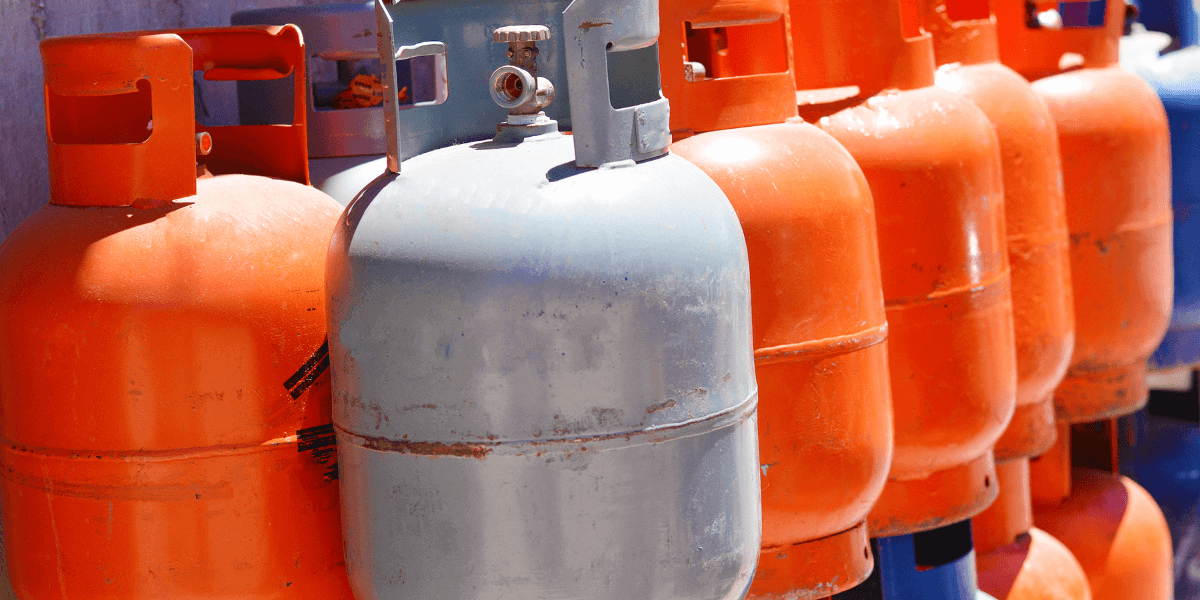
With the entry into force of the new F-Gas Regulation , propane (R-290) has returned to center stage in the industrial and commercial refrigeration sector.
This natural gas, characterised by a GWP of 3 and zero ODP , today represents a sustainable solution that complies with the most restrictive regulations , capable of guaranteeing energy efficiency and reducing environmental impact.
Its use is growing especially in refrigerated cabinets, small and medium-sized chillers, and heat pumps , where the combination of performance and regulatory compliance makes it an increasingly strategic choice. However, the "new era" of propane also presents technical and operational challenges that require specific expertise.
Safety and design: critical issues to manage
The flammability of propane requires rigorous design and compliance with the charge limits established by the UNI EN 378 standard , which defines the maximum quantities permitted per environment based on the type of application.
Each system must also comply with the PED and ATEX directives, as well as fire prevention codes, with particular attention to ventilation and component positioning.
In the event of a leak, propane tends to settle downward, increasing the risk in enclosed or poorly ventilated spaces. For this reason, installations must include detection, isolation, and automatic ventilation systems , as well as targeted maintenance procedures.
From a systems perspective, the use of propane in hydronic circuits can partially reduce efficiency compared to direct expansion. Proper piping design, with careful sizing of pipes, pumps, and insulation, is therefore essential to maintaining high performance.
Strategies and best practices for a safe transition
For designers and installers, switching to propane requires new skills and certified tools. Operational priorities include:
- select suitable environments and respect the expected charging limits;
- ensure adequate ventilation and integrated safety systems;
- properly manage residual gas during maintenance operations;
- evaluate alternative solutions where risk conditions are high.
Only a trained technical supply chain can ensure that the adoption of R-290 occurs in full compliance with regulations and without compromising the reliability of the systems.
An opportunity to innovate the cold chain
The return of propane represents not only a technological shift, but also a cultural challenge for the entire refrigeration sector.
On the one hand, there is growing pressure to adopt natural and low-GWP refrigerants ; on the other, companies are faced with new safety and design standards.
Those who know how to manage R-290 efficiently and safely will be able to stand out on the market, offering high-performance, sustainable systems that comply with European directives.
Propane thus confirms itself not only as the refrigerant of the future , but as an innovation tool for industrial and commercial refrigeration, capable of combining efficiency, sustainability and responsible design.