



PFAS in compressors: a new criticality for professional refrigeration
PFAS in compressors represent an emerging critical issue: between environmental risks, potential restrictions, and the need for alternative materials, the industry must prepare for a new phase in sustainable refrigeration.
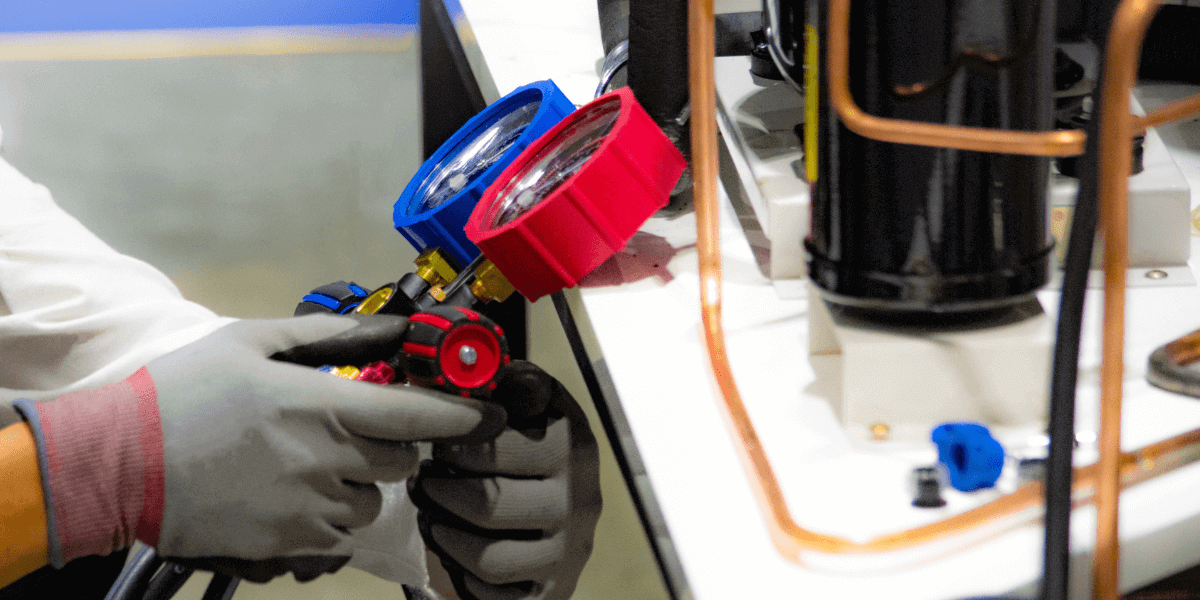
The topic of PFAS , per- and polyfluoroalkyl substances known for their high environmental persistence, is also forcefully entering the world of industrial and commercial refrigeration .
Their presence in compressor materials and components raises questions about safety , system durability, and future regulatory implications. For an industry already transitioning to low-GWP and natural refrigerants, managing PFAS represents a new technical and regulatory challenge that must be addressed proactively.
Where are PFAS found in compressors and why are they a concern?
In compressors and refrigeration systems, PFAS can be found in gaskets, wear-resistant coatings, sealants, engineering plastics, and lubricant additives . Their chemical stability makes them mechanically effective, but equally problematic if released into the environment.
The main risk is related to accumulation in soil and water , the potential contamination of fluids within the refrigeration circuit, and the long-term degradation of components. On complex systems and continuously operating systems, even small issues can lead to inefficiencies and potential downtime.
The European regulatory framework and its implications
A broad restriction on PFAS is under discussion at the European level, which could include numerous fluorinated materials currently used in compressors and RACHP systems. The proposal aims to reduce the availability of substances with high environmental persistence, but raises questions for the industry regarding compliance timeframes, precise identification of the substances involved, and potential impacts on the components industry.
The complexity of the PFAS definition itself makes regulatory discussion complex: many substances pose varying levels of risk, and not all have the same technical role in refrigeration systems. Nevertheless, the direction is clear: the industry will need to strengthen material traceability and accelerate the search for compatible and safe alternatives .
What the sector can do now
For manufacturers, designers, installers, and maintenance technicians, this is a crucial time to prepare without waiting for potential bans to take effect. It's essential to demand greater transparency on materials , verify the presence of PFAS in gaskets and coatings, evaluate fluorinated-free solutions, and adopt designs that facilitate future replacements.
At the same time, monitoring European regulatory developments will allow us to anticipate technological choices and reduce the risk of blockages, component unavailability, or unexpected system overhauls.
A challenge that combines sustainability, quality and competitiveness
The PFAS issue is not just an environmental concern: it is an issue that impacts the reliability , durability , and future compliance of industrial and commercial refrigeration systems.
Companies that are able to move ahead, adopting safer materials and traceable processes, will be able to secure a competitive advantage in a market increasingly oriented towards environmental responsibility.
From this perspective, the management of PFAS in compressors becomes an obligatory step on the path towards truly sustainable and technologically advanced refrigeration.