



PFAS and refrigerants: EU considers excluding F-gases from restrictions
An EU guideline proposes to exclude fluorinated refrigerants from PFAS restrictions, while maintaining a dedicated regulatory framework to ensure continuity for the HVAC/R sector.
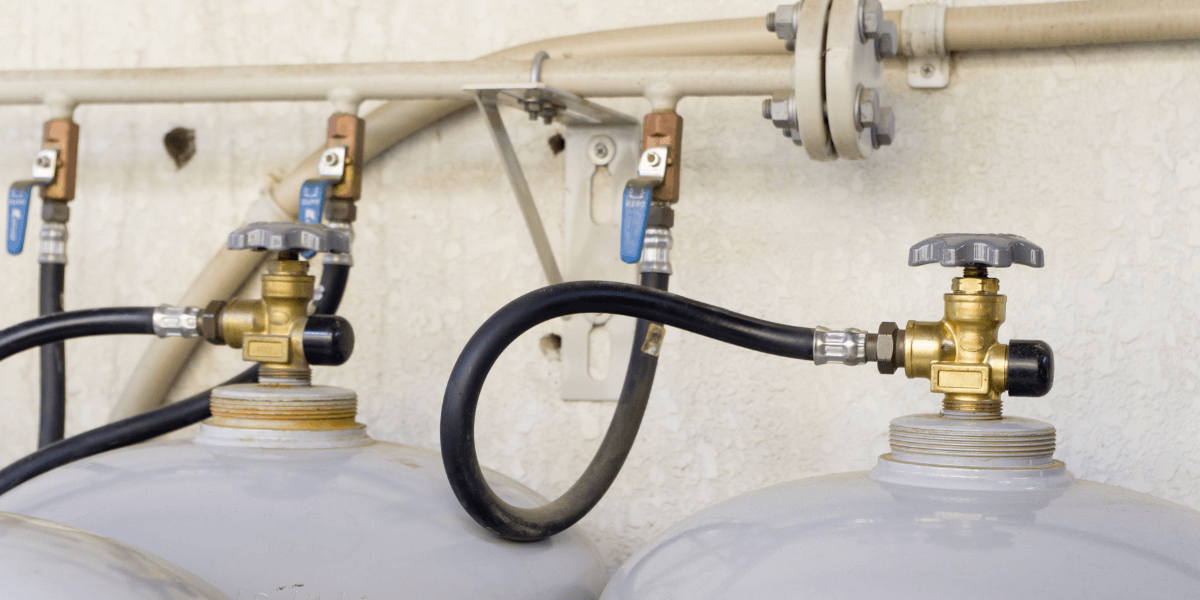
In the European debate on PFAS substances , a possible change in approach emerges that closely concerns the refrigeration sector.
A recent study supporting EU institutions suggests excluding fluorinated refrigerants (F-gases) from the generalized ban on PFAS , maintaining them within a dedicated regulatory framework. This position could have significant effects on regulatory stability and technological choices in the HVAC/R sector.
Why refrigerants are at the center of the PFAS debate
The focus on PFAS stems from the need to limit the use of chemicals that persist in the environment. However, including fluorinated refrigerants in a blanket ban raises technical and operational challenges. Many F-gases and HFOs currently used in refrigeration and heat pumps would formally fall under the PFAS definition, despite playing a vital role in ensuring energy efficiency, safety, and system reliability.
The study highlights how indiscriminate restrictions could generate counterproductive effects, limiting access to already optimized technological solutions and slowing the transition to low-climate impact systems.
Technological continuity and dedicated regulatory framework
The recommendation to exclude refrigerants from PFAS restrictions is based on the idea of keeping F-gases within the specific regulatory path already in place, which governs their use, progressive reduction, and substitution based on their global warming potential.
This approach would allow to:
- ensure technological continuity in a phase of strong transition;
- avoid regulatory shocks for manufacturers, installers and plant operators;
- promote a gradual and controlled replacement of refrigerants , based on the real maturity of the alternatives.
For the HVAC/R sector, a stable regulatory framework is a key element for planning investments, product development, and skills updating.
Implications for industrial and commercial refrigeration
In the industrial and commercial refrigeration sector, excessively restrictive regulation of fluorinated refrigerants would risk compromising the efficiency of many applications, especially where natural alternatives are not yet fully applicable or sustainable from a technical and economic point of view.
The exclusion of F-gases from the PFAS bans would instead allow the continued use of low-GWP refrigerants already widespread on the market , accompanying the sector on a path of gradual evolution consistent with European climate objectives.
Towards a balance between environmental protection and operations
The ongoing regulatory debate shows how the European Union is seeking a balance between reducing the environmental impact of chemicals and the need to preserve the viability of strategic sectors.
For refrigeration and air conditioning, the distinction between PFAS and refrigerants could represent a decisive step to avoid regulatory overlaps and ensure a sustainable technological transition.
The issue is not only regulatory, but also strategic: understanding the evolution of the regulatory framework in advance means being able to guide the sector towards technically sound, efficient solutions that are compatible with future environmental policies.