



Non-compliant refrigerant cylinders: a growing risk to safety, systems, and the cold chain.
The spread of non-compliant refrigerant cylinders increases safety and system risks. Rigorous inspections, certifications, and procedures are essential for the HVAC/R industry.
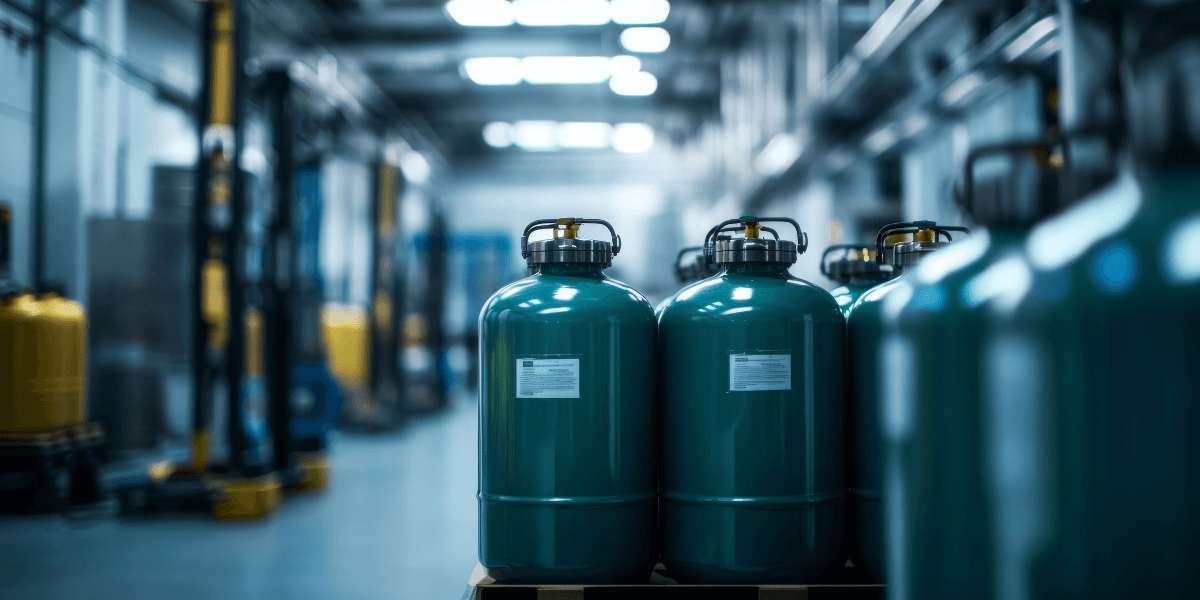
In the HVAC/R sector, a critical and often underestimated issue is emerging: the presence on the market of non-compliant refrigerant cylinders , lacking the safety, marking and certification requirements set by European regulations.
These containers, when used during refrigerant charging, maintenance, or transfer, pose a direct risk to technicians, systems, and companies in the supply chain. Therefore, it is essential that operators are able to recognize them and adopt rigorous control and procurement procedures.
Why they pose a threat: safety, pressure and refrigerant integrity
Non-compliant cylinders may have structural defects, inadequate pressures, or the absence of mandatory periodic tests.
Operational consequences may include:
- refrigerant leaks or contamination of the mixture during transfer;
- structural failures , with risk of explosions or violent gas leaks;
- damage to systems due to the introduction of dirty or contaminated gases;
- exposure to civil and criminal liability in the event of accidents.
The risk increases further in systems operating with transcritical CO₂ or high-pressure refrigerants, where container strength is a critical safety feature.
How to recognize a non-compliant cylinder: signs not to ignore
A preliminary check allows for the rapid identification of cylinders at risk.
Items to monitor:
- absence or wear of the mandatory marking (volume, maximum pressure, year of test);
- welds, joints or surfaces with signs of corrosion or visible defects;
- lack of periodic testing stamp (hydrostatic test);
- incomplete, damaged or illegible labeling ;
- untraceable origin or inconsistently low prices;
- absence of the manufacturer's brand and the related certification code .
For professional operators, these checks should be a mandatory technical step before any refrigerant charging or transfer activity.
Impact on the cold chain: operational safety and regulatory liability
The use of uncertified cylinders is not only a technical problem, but a risk for the entire supply chain.
Operators who use non-compliant containers:
- compromise the safety of technicians in daily operations;
- can cause system downtime or costly damage due to refrigerant contamination;
- they expose themselves to sanctions and the loss of insurance coverage;
- they feed an uncontrolled parallel supply chain, with negative repercussions on the company's reputation.
For a sector where component quality and traceability are crucial, maintaining high standards becomes a shared responsibility.
Best practices for operators and companies: prevention and control
To effectively reduce operational risk, the industry must adopt clear and ongoing verification procedures .
It is essential to purchase cylinders exclusively from certified suppliers with complete documentation, perform visual and technical inspections before use, maintain up-to-date records of validity and periodic testing, and ensure adequate training of personnel on regulations and procedures for identifying non-compliance. The inclusion of specific clauses in contracts prohibiting the use of non-certified containers also contributes to establishing a system of shared responsibility.
The consistent adoption of these best practices strengthens safety and supports the professionalization of the entire HVAC/R supply chain.