



New EU Regulation 2025/1893: Enhanced Mandatory Training for Mobile HVACR Professionals
EU 2025/1893 updates the European regulation for mobile HVACR training: four mandatory types of attestation (M1-M4), certification in Member States, competence requirement for alternative refrigerants and environmental performance.
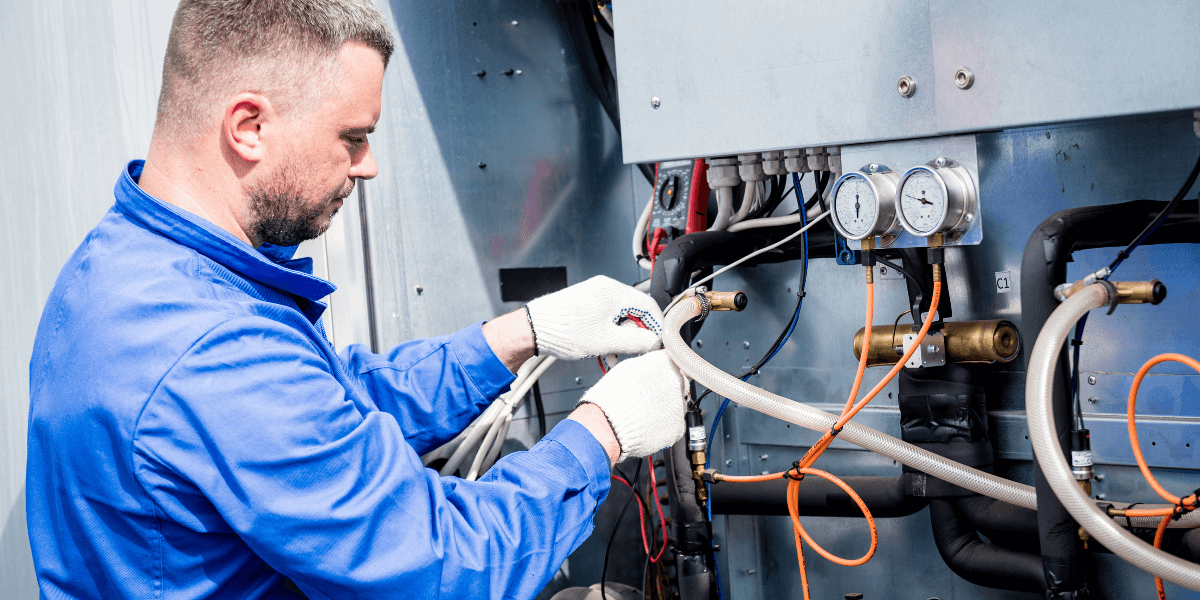
On September 19, 2025, EU Implementing Regulation 2025/1893 entered into force, updating the European framework for the training and certification of operators involved in mobile refrigeration and air conditioning. The decree establishes minimum requirements for certificates relating to the maintenance, leak detection, and recovery of refrigerants, including alternative refrigerants and those in mobile vehicles (cars, trains, agricultural machinery).
Four types of certificates (M1-M4) are defined, differentiated by expertise and application areas, with the aim of ensuring uniformity among Member States, high safety standards, and reduction of fluorinated gas emissions. AREA and ATF actively participated in its development.
Types of certificates and areas of application
The new regulation introduces four certification levels: M1, M2, M3 , and M4 , each corresponding to specific skills and types of equipment. They range from the simplest systems to the most complex mobile vehicles: cars, trucks, trains, agricultural machinery, freight handling equipment, and intermodal containers.
The certificates cover activities such as routine maintenance, assistance, leak testing, refrigerant recovery, and refrigerant gas management, including alternatives with low GWP or with flammable or toxic characteristics.
Objectives of the regulation: safety, environment and labour market
This regulatory update aims to achieve several objectives: increase operator safety, particularly when dealing with flammable, toxic, or high-pressure refrigerants; reduce emissions resulting from leaks or misuse of gases; improve the energy efficiency of equipment through qualified training; and finally, standardize requirements across Member States to promote mutual recognition of certificates and facilitate professional mobility in the HVACR sector.
Impacts and challenges for the HVACR sector
For refrigeration technicians, installers, and businesses, the regulation presents both opportunities and challenges. On the positive side, European recognition of certificates can open up markets, increase customer trust, and incentivize the adoption of more sustainable technologies.
However, some critical issues remain: adapting training courses and investing in programs that comply with the new standards; retraining trainers; certification costs and timeframes; and availability of accredited local courses compliant with the regulation. Finally, proper implementation will also depend on the ability of national authorities to implement and monitor compliance with the new rules.