



Italian large-scale retail trade, natural refrigerants, and PFAS: between innovation and sustainability in commercial refrigeration.
In Italian large-scale retail trade, the adoption of natural refrigerants and the progressive elimination of PFAS are redefining the design and management of commercial refrigeration systems.
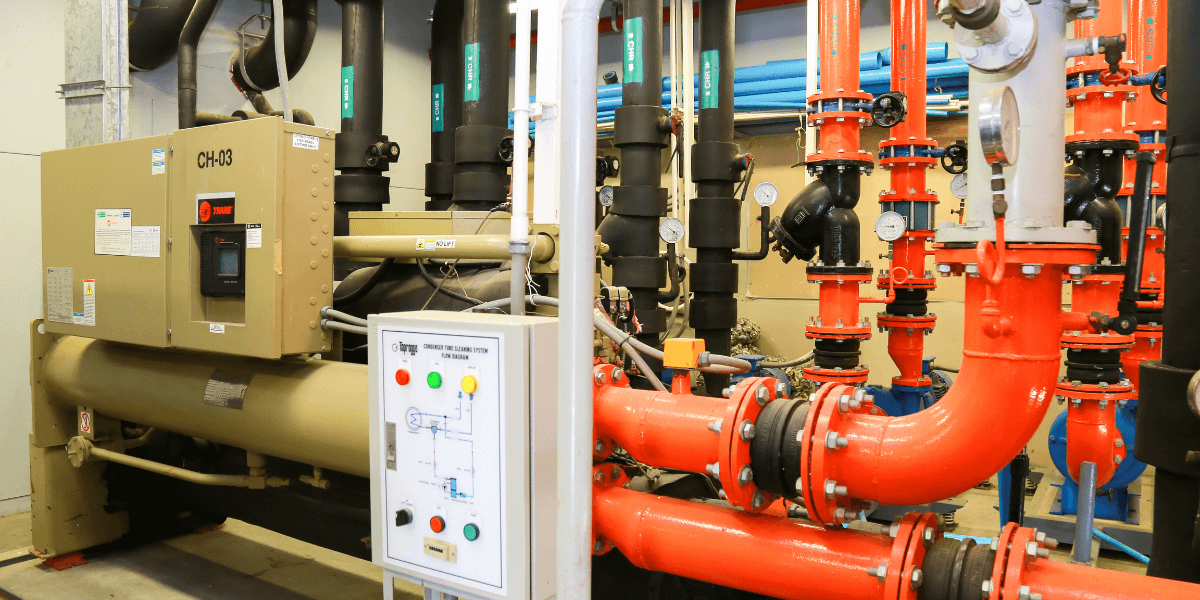
Italian large-scale retail trade (GDO) is at the centre of a transformation in the way it conceives commercial refrigeration .
On the one hand, the urgency of reducing environmental impact is pushing towards the adoption of natural refrigerants and low GWP solutions; on the other, growing regulatory and environmental concerns about PFAS compounds require a review of the materials and technologies used in systems .
For HVAC/R operators, installers, and commercial refrigeration managers, these dynamics open up scenarios of innovation but also of design complexity and regulatory compliance.
Natural refrigerants and large-scale retail trade: why the transition is underway
In recent years, Italian large-scale retail trade has increased its use of natural refrigerants such as CO₂, hydrocarbons, and ammonia , driven by a dual need: to meet European greenhouse gas reduction commitments and to meet consumer expectations in terms of sustainability.
These fluids, while presenting technical challenges related to operating pressures and more stringent safety requirements, offer significant potential for energy efficiency and reduced operating costs on a large scale.
In large-scale retail trade, where refrigeration systems are among the largest consumers of energy within stores, the choice of natural refrigerant therefore becomes part of a long-term strategy, involving both the design processes and the day-to-day management of the systems.
PFAS: regulations, risks, and new design choices
In addition to the issue of refrigerant gases, large-scale retail trade is increasingly called upon to deal with the issue of PFAS (perfluoroalkyl substances) , compounds widely used in high-performance plastic materials for their chemical and thermal resistance.
However, growing evidence of environmental and health risks associated with PFAS has led to regulatory restrictions and increased attention from supply chains.
In the context of commercial refrigeration, this means rethinking the use of materials and components that may contain PFAS, pushing towards safer and more sustainable alternatives.
For HVAC/R designers and technicians, the challenge is to find solutions that maintain system reliability and durability standards, without resorting to potentially problematic substances.
Towards greener and more efficient systems: opportunities for the HVAC/R sector
The combination of natural refrigerants and design choices that are mindful of eliminating PFAS is not just a matter of regulatory compliance, but represents an opportunity to improve the sustainability and overall performance of systems .
In a market where energy efficiency and environmental responsibility are becoming increasingly crucial criteria, the refrigeration supply chain can offer solutions that combine technology and safety.
For builders, integrators, and installers, this means investing in more specialized technical skills, updating design models, and encouraging the adoption of next-generation materials.
At the same time, evolving regulations and growing attention to environmental issues are creating space for more qualified consultancy and value-added services, capable of supporting large-scale retail trade and other sectors in the transition to greener, more efficient, and more responsible facilities.