


Copper fittings for CO₂: high performance and certified safety in industrial refrigeration
Lombarda Raccordi's new copper-iron alloy fittings guarantee reliability, resistance and safety for high-pressure CO₂ refrigeration systems, meeting the efficiency and sustainability needs of the sector.
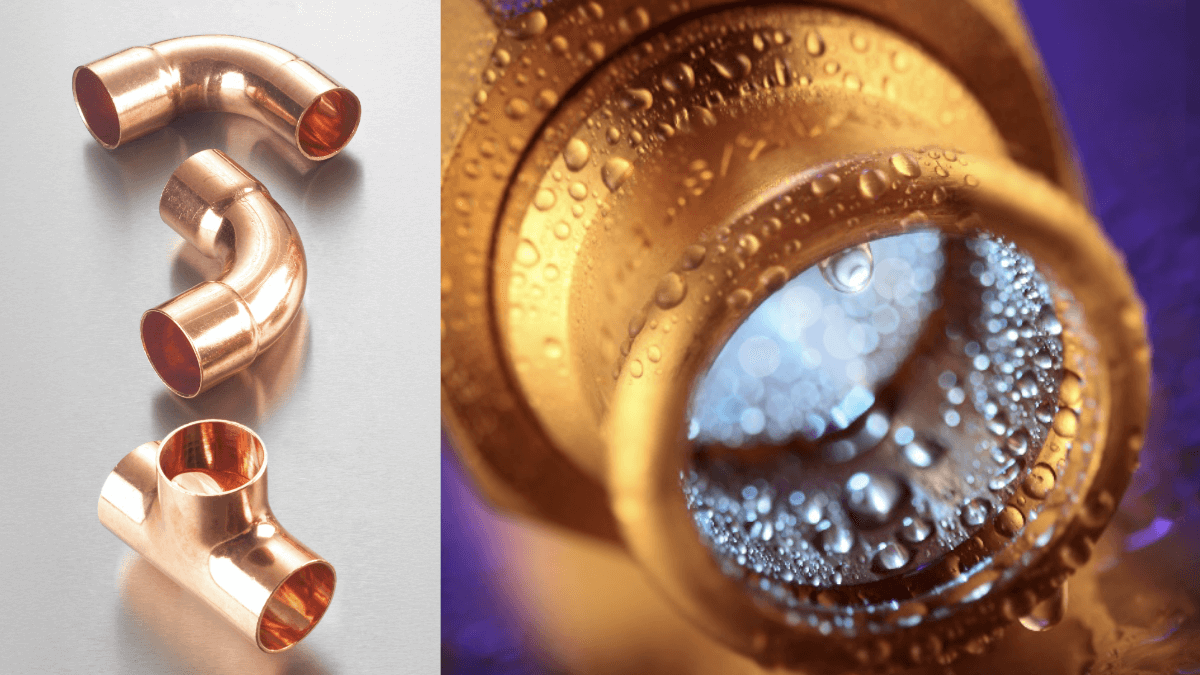
The increasing use of carbon dioxide (CO₂ / R744) as a natural refrigerant in commercial and industrial refrigeration systems represents a major evolution in the HVAC/R industry. However, the use of CO₂ requires much higher operating pressures than traditional refrigerants , requiring mechanical components designed to ensure maximum safety, reliability, and durability.
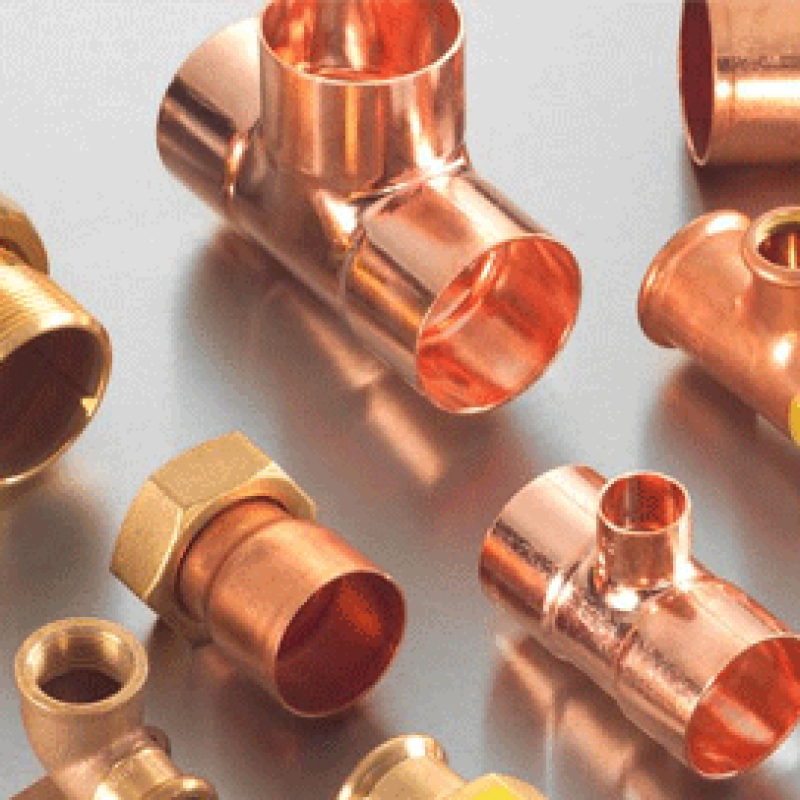
In response to these needs, Lombarda Raccordi has developed a new range of copper-iron alloy fittings specifically designed for CO₂ circuits, capable of ensuring consistent performance even in extreme operating conditions and demanding thermal cycles.
Copper-iron alloy (CuFe2P): stability and resistance to high pressures
The technological heart of this range is the CuFe2P alloy, a material that combines the conductive properties of copper with the mechanical strength of iron and the stability of phosphorus. Thanks to this composition, the fittings guarantee significantly superior mechanical resistance compared to traditional pure copper fittings, preventing deformation and microcracks even at pressures exceeding 130 bar.
The alloy's dimensional stability and corrosion resistance also ensure high durability over time, reducing the risk of leaks and ensuring reliable performance throughout the system's entire life cycle. The wide operating temperature range, from –196°C to +150°C, makes these components suitable for both industrial refrigeration systems and commercial applications, where high performance is required under variable operating conditions.
Certifications and endurance tests for high-pressure CO₂ systems
Each fitting is designed and manufactured in compliance with the main European industry standards – EN 14276-1 (Annex B), EN 378-2 and EN 14276-2 – which define the requirements for high-pressure equipment and pipes.
The range covers a wide range of sizes, from 3⁄8″ to 2 1⁄8″, with the option of using transitional fittings in inch-millimeter sizes for greater flexibility in design and installation.
Laboratory tests conducted by Lombarda Raccordi certify the fittings' ability to withstand high mechanical and thermal stress without structural alterations, ensuring a perfect seal even after numerous pressure cycles. This level of quality control is the foundation of the safety and reliability that distinguish fittings intended for CO₂ systems.
Optimization of installation operations and sustainable life cycle
Another strong point of CuFe2P alloy fittings is their ease of installation . The material's particular composition facilitates brazing operations, allowing for precise and clean joints with the use of silver-based soldering alloys (≥ 5%) and FH10 type pickling agents.
The result is a faster, safer and longer-lasting assembly, with minimal risk of defects or leaks over time.
From an environmental perspective, Lombarda Raccordi fittings are free of toxic elements and guarantee a long operating life , helping to reduce the environmental impact and overall maintenance costs of the system. In this way, they represent a solution consistent with the principles of sustainable refrigeration, aimed at reducing consumption, emissions, and waste materials.
An experienced partner in the HVAC/R sector
Established in 1979 , Lombarda Raccordi is now a leading manufacturer of HVAC/R components , with recognized expertise in working with copper and its alloys. The company operates with a UNI EN ISO 9001 -certified quality system and constantly invests in research and innovation to develop technical solutions that meet the needs of new natural refrigerants and high-efficiency systems.
The range of CO₂ fittings embodies this experience: a reliable, high-performance product designed to support designers, installers, and system builders in the transition to safer, more efficient, and more environmentally friendly refrigeration.
Lombarda Raccordi Srl