



Europe and Cooperation Kigali in Kyrgyzstan: Focus on Sustainable Refrigerants and Capacity Building
Europe and Central Asia strengthen cooperation Kigali in Kyrgyzstan to support HFC phase-down, technical training and adoption of sustainable refrigerants.
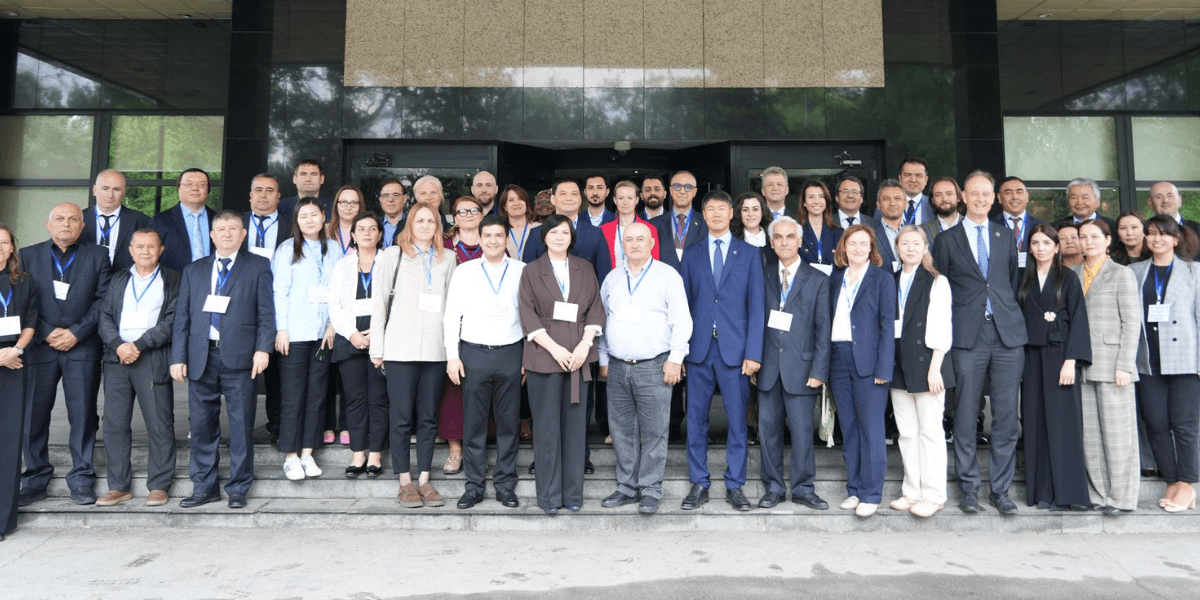
Image source: refindustry.com/news
International cooperation to implement the Kigali Amendment to the Montreal Protocol continues to expand, with a new collaborative program between Europe and Central Asia aimed at strengthening the transition from high-GWP refrigerants to more sustainable solutions . The recent pilot project in Kyrgyzstan highlights the growing focus on HFC phase-down, strengthening technical expertise, and supporting the HVAC/R supply chain in developing countries.
The initiative focuses on three main pillars : improving understanding of policies and regulations related to the Kigali Amendment, facilitating access to climate-friendly technologies, and promoting cooperation between institutions, local industry, and European partners. The strategy aims to create a model that can be replicated in other contexts, with the goal of supporting emerging economies in the transition to more sustainable refrigerants.
HFC Phase-down and Support Tools
The core of the cooperation concerns the implementation of the HFC phase-down , that is, the gradual reduction in the production and use of fluorinated gases with high global warming potential. For countries like Kyrgyzstan, which are taking the first steps in this direction, it is essential to have not only clear regulatory tools but also the technical and operational capabilities to manage the change.
The project includes training activities, technical workshops and best practice sharing sessions , aimed at:
- understand the institutional framework of the Kigali Amendment and its timelines;
- identify low GWP alternatives suitable for the local market;
- develop skills for the service, maintenance and installation of systems with sustainable refrigerants;
- Strengthen regulatory and monitoring capacity for refrigerant emissions.
These support tools are designed to facilitate the transition not only from a regulatory perspective, but also from a practical one, reducing the risk of implementation inconsistencies and bridging technical knowledge gaps that can hinder the adoption of cleaner solutions.
Technical expertise and local HVAC/R supply chain
A key aspect of the project is capacity building within the local HVAC/R supply chain . In many emerging economies, operational knowledge of low-GWP refrigerants, alternative technologies, and best service practices is still limited. Without adequate expertise, implementing new regulations risks resulting in technical inefficiencies, poor service quality, and safety risks.
For this reason, the cooperation program also includes :
- training courses for technicians and installers;
- updates on international standards and safety regulations;
- assistance in defining operational guidelines and service protocols ;
- exchange of know-how between European institutions and local partners.
The goal is to build an ecosystem of expertise that will enable Kyrgyzstan's HVAC/R supply chain to effectively respond to new challenges, ensuring that the transition to sustainable refrigerants is not only regulatory, but also operational and sustainable.
Towards a more equitable global transition
Cooperation between Europe and Central Asia is an example of how international dialogue on the Kigali Amendment can translate into concrete local action, benefiting both the climate and technological and professional development. Projects like this confirm that the refrigerant transition is not an isolated process, but a global challenge requiring knowledge sharing, appropriate tools, and strong partnerships.
For the refrigeration supply chain, initiatives of this kind offer important insights into how to combine regulatory attention, technical training, and technology dissemination, helping to create a more sustainable, safe, and inclusive refrigerant market in various regions of the world.
FAQ – Domande frequenti
European cooperation supports the implementation of the Kigali Protocol, aimed at progressively reducing the use of high-GWP HFCs. For Kyrgyzstan, this means receiving technical, financial, and regulatory support to update regulations, promote sustainable refrigerants, and align the refrigeration supply chain with international best practices, reducing environmental risks and dependence on high-GWP gases.
Workshops, training courses, regulatory assistance, technical guides, and capacity-building projects involving technicians, designers, authorities, and supply chain operators are implemented. The goal is to train qualified personnel in the management, installation, maintenance, and monitoring of alternative refrigerant systems, as well as supporting local institutions in managing regulatory compliance and gas traceability.
These initiatives increase technical expertise, improve system safety, efficiency, and operational continuity, and reduce the use of high-GWP refrigerants. For installers, maintenance technicians, and designers, this means a greater ability to propose sustainable solutions, reduce leaks, optimize consumption, and ensure F-Gas compliance. At the national level, it contributes to a gradual yet structured transition toward safe, efficient, and environmentally responsible refrigerants.
