



EU F-Gas Derogation: Semiconductor Chillers Authorized Until 2029
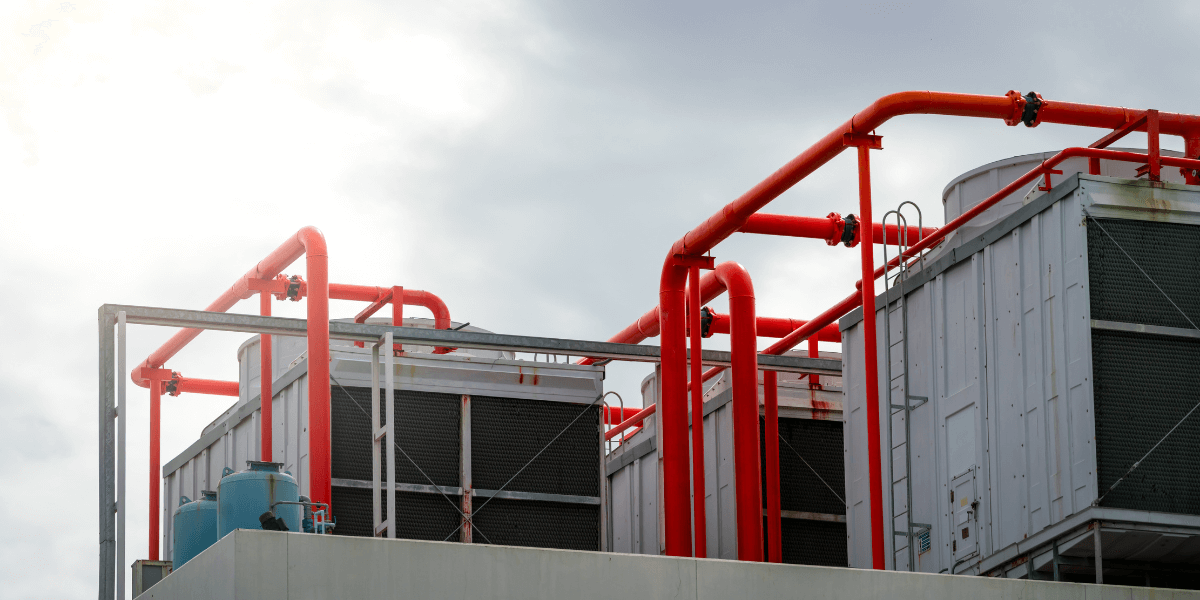
As part of the revision of the EU Regulation on fluorinated gases (F-Gas) , designed to progressively reduce the use of refrigerants with high global warming potential (GWP), the European Union has introduced a specific derogation for certain industrial refrigerators (chillers) used in the production of semiconductors .
This exception arises in response to the need to ensure the operational continuity of a strategic sector for European industry, where the alternatives to fluorinated gases currently available do not guarantee equivalent performance under the required operating conditions.
What does the exemption provide?
Commission Implementing Regulation (EU) 2026/286, published in the Official Journal of the European Union on 11 February 2026 , authorises the placing on the Community market of stationary chillers containing or whose operation relies on fluorinated gases with a GWP equal to or greater than 150 , provided that such equipment is used in the manufacture of semiconductors and is correctly labelled in accordance with the obligations set out in the current F-Gas Regulation.
The exemption applies to two main categories of refrigerators:
- Chillers with cooling capacity up to 12 kW containing high GWP fluorinated gases , used in semiconductor manufacturing processes.
- Larger capacity chillers (over 12 kW) that operate at extremely low temperatures (below -50°C) and are also critical for some stages of microelectronics manufacturing.
This authorisation is valid from 1 January 2027 to 31 December 2029 , providing a period of time in which actors in the supply chain can adapt to the regulations and develop alternative solutions compatible with the new restrictions on F-Gas.
Implications for the refrigeration industry
The granted exemption has a direct impact on transition strategies for industrial refrigeration systems. On the one hand, it recognizes the technical complexity of certain industrial processes, such as semiconductor manufacturing, which require high-performance chillers that are difficult to replace with low-GWP technologies in the short term. On the other hand, it indicates that the process of replacing high-environmental-impact refrigerants must be accompanied by technological innovation, the search for alternatives, and planning regulatory compliance timelines.
For designers, installers, and technical managers, this exemption requires a clear understanding of the terms, conditions of use, and labeling required to ensure regulatory compliance for refrigerant systems used in critical processes. At the same time, the exemption highlights the need to monitor the evolution of F-Gas regulations and alternative technologies, such as low-GWP refrigerants or natural refrigerant solutions, which will become increasingly relevant in the future.