




Electrification in Europe: Opportunities and Impacts for Refrigeration
The EU's electrification plan also impacts the refrigeration sector: technological developments, energy efficiency, and competitiveness challenges in the transition to sustainable electrical systems.
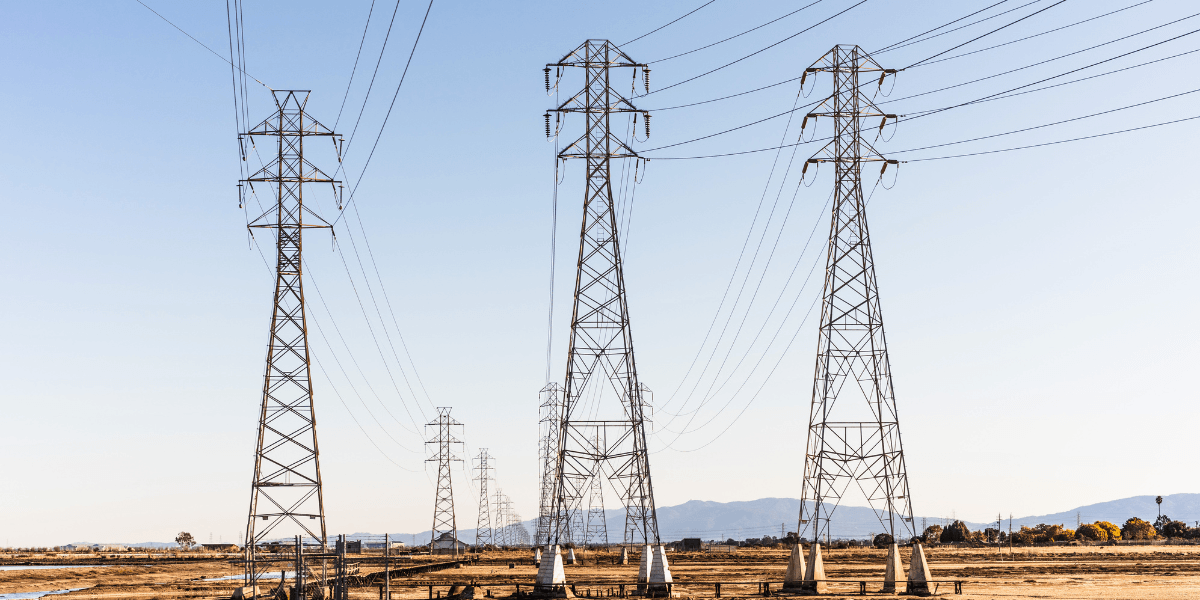
The European Union has presented the new Electrification Action Plan , a strategic plan to accelerate the decarbonisation of the economy through greater use of electricity generated from renewable sources and a progressive replacement of fossil fuels in final consumption.
Currently, around 70% of Europe's electricity comes from clean sources, but electricity's share of total consumption stands at around 23%, well below the targets set for the coming years. The plan proposes increasing this share to 46% by 2040 , with profound effects on buildings, transport, and industry, including the refrigeration and air conditioning sectors.
For the refrigeration industry, this policy orientation means redefining energy use strategies, gradually shifting focus from dependence on gas and fossil fuels to highly efficient electric solutions. Electrification is not just a regulatory or environmental issue, but is becoming a driver of technological innovation and industrial competitiveness, especially in energy-intensive segments such as commercial and industrial refrigeration and production process refrigeration.
Technological implications for refrigeration systems
To meet the new prospects of European electrification, industrial and commercial refrigeration systems must evolve towards greater efficiency, intelligent control, and integration with clean sources.
Some key points of this transformation include:
- Adoption of high-efficiency compressors and inverter systems , capable of modulating the load based on actual cooling demand.
- Integration with renewable sources (photovoltaic, wind) to reduce grid dependence and reduce operating costs.
- Energy management and HVAC/R automation systems to optimize consumption, temperatures, and absorption peaks.
- Thermal or electrical storage solutions , capable of making electricity consumption more flexible during peak periods.
These technologies represent not only an adaptation to decarbonization objectives, but also tools to increase the reliability and resilience of plants, reducing waste and reducing the overall environmental impact.
Regulatory challenges and industrial competitiveness
However, electrification also brings critical challenges . Electricity is often more expensive than fossil fuels, especially in markets like Europe, where infrastructure is still being adapted and electricity demand is growing rapidly. For the refrigeration industry, this means balancing technological efficiency and operating costs to maintain competitiveness, especially in energy-intensive sectors.
European regulation also supports these transitions with complementary policies, such as the revision of the Emissions Trading System (ETS ) and targeted incentives for replacing obsolete technologies with more efficient electric cooling systems. These tools can help refrigeration companies plan effective and sustainable investments, aligning with European climate targets without compromising productivity.
Towards efficient and sustainable electric refrigeration
The electrification of the European economy represents a historic opportunity for the refrigeration sector: adopting advanced electrical solutions allows for improved energy efficiency, reduced greenhouse gas emissions, and redesigned plant architecture to make them more resilient and smart.
This transition requires an integrated approach, in which technology, professional skills, and incentive policies work synergistically to foster the widespread adoption of refrigeration systems that are high-performance, sustainable, and competitive in the long term.
Related Focus

FAQ – Domande frequenti
Electrification allows fossil fuels to be replaced with electricity, preferably renewable, reducing CO₂ emissions and energy consumption in commercial and industrial refrigeration systems. In Europe, this transition promotes greater efficiency, integration with heat pumps, digital systems, and storage, increasing the sustainability and resilience of the HVAC/R supply chain.
Electrical systems optimize refrigeration cycles, improve seasonal efficiency, and reduce peak load consumption. Integration with digital monitoring and control systems enables predictive interventions, reduced refrigerant leaks, and more efficient management of thermal and electrical loads.
It reduces dependence on fossil fuels, facilitates the integration of distributed renewables, increases self-consumption and grid resilience. Electricity systems integrated with heat pumps and storage contribute to reducing direct and indirect emissions, supporting the European decarbonization and climate neutrality goals.
