


Best practices for working with A2L refrigerants: safety, design and maintenance
Best practices for the safe selection, installation, and maintenance of systems using A2L refrigerants.
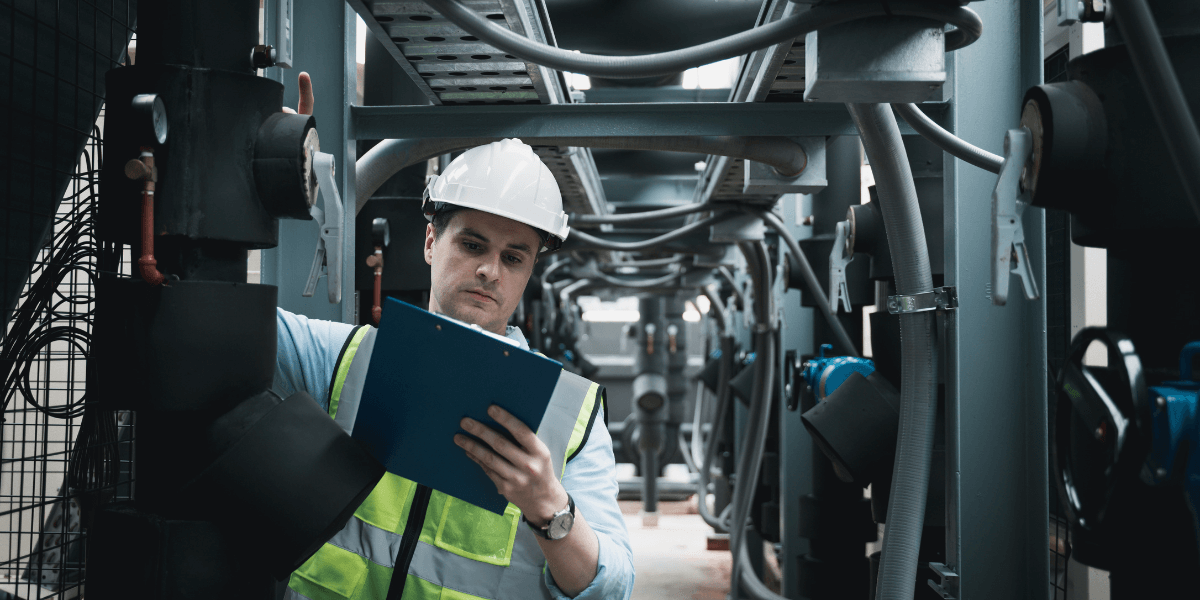
With the transition to low-GWP gases , A2L class refrigerants are becoming increasingly popular in commercial refrigeration and HVAC/R systems.
These fluids offer an attractive balance between energy efficiency and environmental impact , but their mild flammability requires in-depth technical knowledge and the adoption of rigorous operating procedures. For professionals, installers, and maintenance technicians, knowledge of proper practices for the use, handling, and management of A2Ls has become an essential skill to ensure the safety, performance, and regulatory compliance of their systems.
Refrigerant selection and system design
The choice of an A2L refrigerant must start from a precise technical evaluation, considering the charge requirements, the type of system and the application context.
A2L fluids, despite having a low GWP, have characteristics that directly influence the design of the system:
- specific charging limits, imposed by safety regulations to reduce the risk of flammable atmospheres;
- operating pressures which, although similar to those of traditional HFC refrigerants, require certified and adequately tested components;
- Ventilation and gas detection requirements, to be provided in closed or poorly ventilated environments, to ensure safety in the event of leaks.
During the design phase, it becomes essential to integrate these aspects together with the usual considerations on efficiency, pressure drops and sizing of the refrigeration circuit, ensuring a balanced system that complies with technical standards.
Safe operating procedures
Managing A2L refrigerants requires rigorous adoption of standardized operating procedures for both installation and maintenance. Some critical aspects to include in company protocols are:
- checking connections and seals , to prevent unintentional leaks;
- use of specific A2L equipment , including recovery tools, dedicated charging stations and gas detectors sensitive to low-flammability fluids;
- evacuation and charging operations performed with documented procedures , with attention to the correct pumping and pressurization sequence;
- staff training on the characteristics of A2Ls, associated risks, and safe intervention practices.
These good practices can significantly reduce operational risks and ensure that systems operate to the safety standards required for Class A2L flammable refrigerants.
Maintenance, inspection and regulatory compliance
Another fundamental element in the management of systems using A2L refrigerants is scheduled maintenance and periodic inspection of the system.
Technicians are required to establish structured intervention plans that include regular checks on the refrigerant charge and the condition of the refrigeration circuit, along with verification of the correct functioning of safety valves, detection sensors, and ventilation systems.
Alongside these aspects, there is the need for accurate documentation of the activities carried out , which is essential to ensure traceability, regulatory compliance, and support in the event of audits or inspections.
Constant updating with respect to technical regulations and European guidelines completes the operational framework, helping to reduce the risk of leaks, improve system reliability, and maintain high safety standards over time.