




Alternative Refrigerants: Training and Skills at the Heart of the HVAC/R Industry Transition
Training on alternative refrigerants becomes central to supporting the HVAC/R industry's transition to low-GWP solutions.
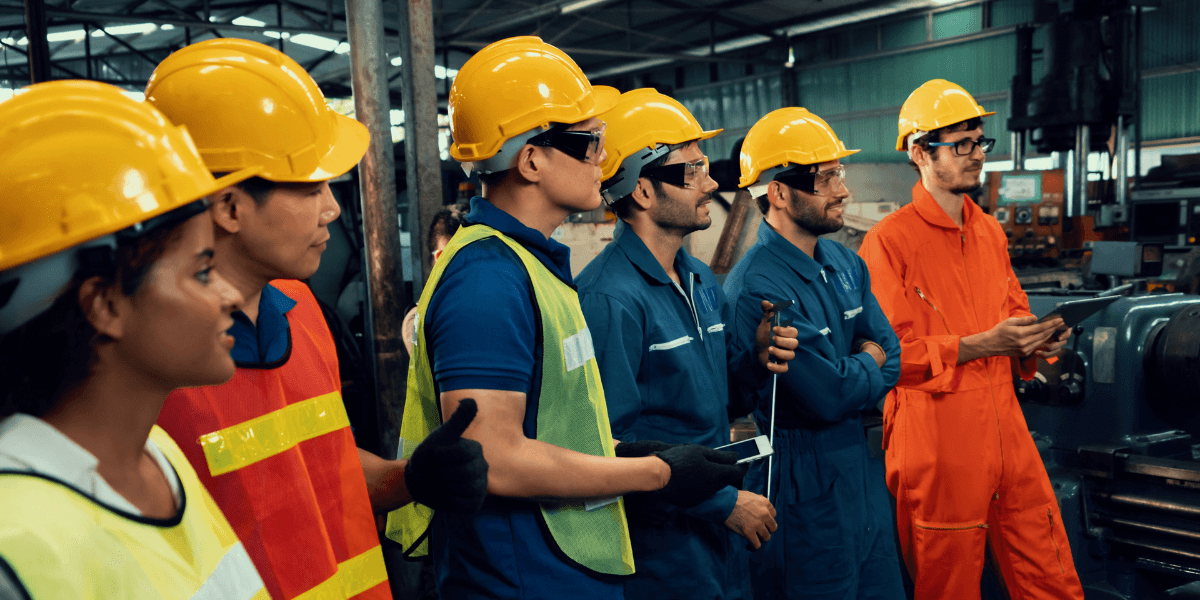
The transition to low-carbon refrigerants isn't just about technology; it requires continuous skill development across the entire HVAC/R supply chain. In this context, technical training plays an increasingly strategic role in ensuring the safety, efficiency, and proper management of new refrigerants.
International training initiatives for industry professionals are designed to support this goal, with the aim of promoting the dissemination of knowledge about alternative refrigerants.
Advanced training on low-GWP refrigerants
A new session of the Real Alternatives Train-the-Trainers (TOT) programme , dedicated to advanced training on alternative refrigerants, will be held in Ireland from 11 to 15 May 2026 .
The program is aimed at trainers and professionals working in the refrigeration and air conditioning sector, with the aim of transferring updated technical skills in:
- use of low GWP refrigerants
- safe management of natural and alternative fluids
- best practices for installation, maintenance and design
This approach aims to create a network of qualified trainers capable of disseminating the knowledge needed to support the sector in its transition phase.
Technical skills increasingly central in the refrigeration sector
The introduction of new refrigerants – such as CO₂, ammonia, and hydrocarbons – requires specific expertise, both in the design and operational phases.
Managing these fluids requires in-depth knowledge of aspects such as:
- plant safety
- thermodynamic characteristics of refrigerants
- European regulations and certifications
In this scenario, training becomes a key element to ensure not only regulatory compliance, but also the reliability and performance of the systems.
A fundamental step for the transition of the sector
The path to decarbonization in the HVAC/R sector therefore also involves developing skills. The spread of alternative refrigerants requires adequate training for professionals, who are required to manage increasingly advanced technologies.
Initiatives such as the Train-the-Trainers program are a concrete example of how the sector is investing in training to address future challenges, strengthening the competitiveness and sustainability of the cold chain.
👉 For more information , visit the event page
FAQ – Domande frequenti
The transition to low-GWP refrigerants requires new technical skills related to system design, installation, and maintenance. New fluids, such as CO₂, ammonia, and hydrocarbons, have different characteristics in terms of pressure, safety, and management, making continuous training essential for industry professionals.
Technicians must acquire expertise in safety classifications (A2L, A3), pressure management, fluid handling, and F-Gas regulations, as well as the ability to use new tools and compatible components. Training and certification therefore become key elements for operating in compliance with regulations and ensuring system safety.
The spread of alternative refrigerants requires a rethinking of system solutions, from component selection to system design. For installers and designers, this means adapting to new technologies, updating operating procedures, and managing increasingly complex systems geared toward energy efficiency and sustainability.
