



Sustainable refrigeration: efficiency, refrigerants and plant management at the heart of the transition
Sustainable refrigeration requires an integrated approach between low-GWP refrigerants, energy efficiency, and full lifecycle management.
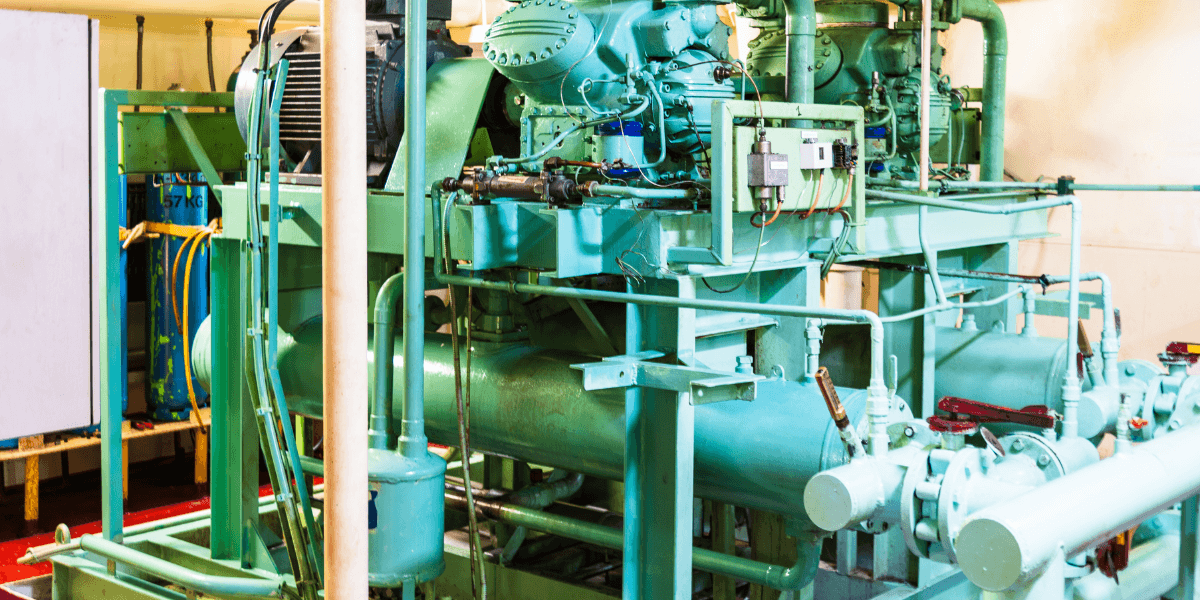
Growing global demand for cooling makes it increasingly important to rethink how refrigeration and air conditioning systems are designed, operated and decommissioned.
The sector's sustainability depends not only on the progressive replacement of high-GWP HFCs. Truly reducing climate impact means simultaneously addressing energy efficiency, refrigerant selection, leak prevention, and fluid management throughout the system's entire life cycle .
International attention to the topic continues to grow. For example, in October 2026, over $36 million in new funding was announced for programs to accelerate the reduction of emissions associated with cooling. More than the economic value itself, this data highlights a clear direction: sustainable refrigeration is becoming an increasingly important component of global decarbonization strategies.
Low GWP refrigerants and efficiency must go hand in hand
The shift towards refrigerants with a lower climate impact represents one of the major changes underway in the HVAC/R supply chain.
Replacing a high GWP fluid allows for a reduction in the system's potential direct emissions, but this result must be evaluated together with the energy performance of the system throughout its operating life .
Inefficient equipment can generate high electricity consumption even when using a low-GWP refrigerant. Likewise, an efficient system with frequent leaks can compromise some of the environmental benefits achieved.
It therefore becomes necessary for designers and operators to evaluate several elements together:
- refrigerant selection and charging;
- component performance;
- system regulation and control;
- operating conditions;
- maintenance;
- real energy consumption.
Sustainable refrigeration arises precisely from the balance between these aspects, avoiding focusing exclusively on a single parameter.
Existing plants remain a key part of the transition
The transformation of the industry is not just about new equipment.
A significant portion of the refrigeration fleet will continue to operate for many years to come, including systems containing refrigerants with high global warming potential. Therefore, reducing emissions also depends on the ability to better manage existing systems .
Finding and repairing leaks, preventive maintenance and correct recovery of the refrigerant during interventions or at the end of its life therefore become concrete tools for decarbonisation.
This issue is particularly relevant in commercial and industrial refrigeration, where loads can be significant and system operational continuity often makes immediate replacement complex.
In this scenario, the refrigeration engineer plays a central role: the quality of maintenance can directly impact both refrigerant emissions and the energy efficiency of the system .
Sustainable cooling means designing the entire life cycle
The growing demand for cooling requires an increasingly comprehensive approach. Refrigeration and air conditioning are essential infrastructure for food preservation, the cold chain, healthcare, industrial processes, logistics, and numerous other activities.
The challenge is therefore to increase the availability of cooling without increasing energy consumption and emissions to the same extent.
For the HVAC/R industry, this means developing systems that combine low GWP refrigerants, efficient components, intelligent control, leak prevention, and proper recovery and end-of-life procedures .
Sustainability cannot therefore be attributed to a single technology or refrigerant. It is the result of how the system is designed, installed, operated, and maintained over time.
The direction of the supply chain appears increasingly clear: to simultaneously reduce direct emissions and energy consumption , transforming efficiency and correct management of refrigerants into two elements of the same decarbonisation path.
Related Focus

FAQ – Domande frequenti
A sustainable system combines high energy efficiency, low climate impact refrigerants, leak reduction and correct fluid management throughout the entire life cycle.
Refrigerant reduces potential direct emissions, but the overall impact also depends on the system's electricity consumption, leaks, and operating and maintenance conditions.
Preventive maintenance, leak detection and repair, regulation optimization, and refrigerant recovery during repairs and decommissioning are all possible interventions.
