



Regulations, skills, and digitalization: the future of commercial refrigeration
Regulations, skills, and digitalization will drive commercial refrigeration towards more efficient, safe, and sustainable systems.
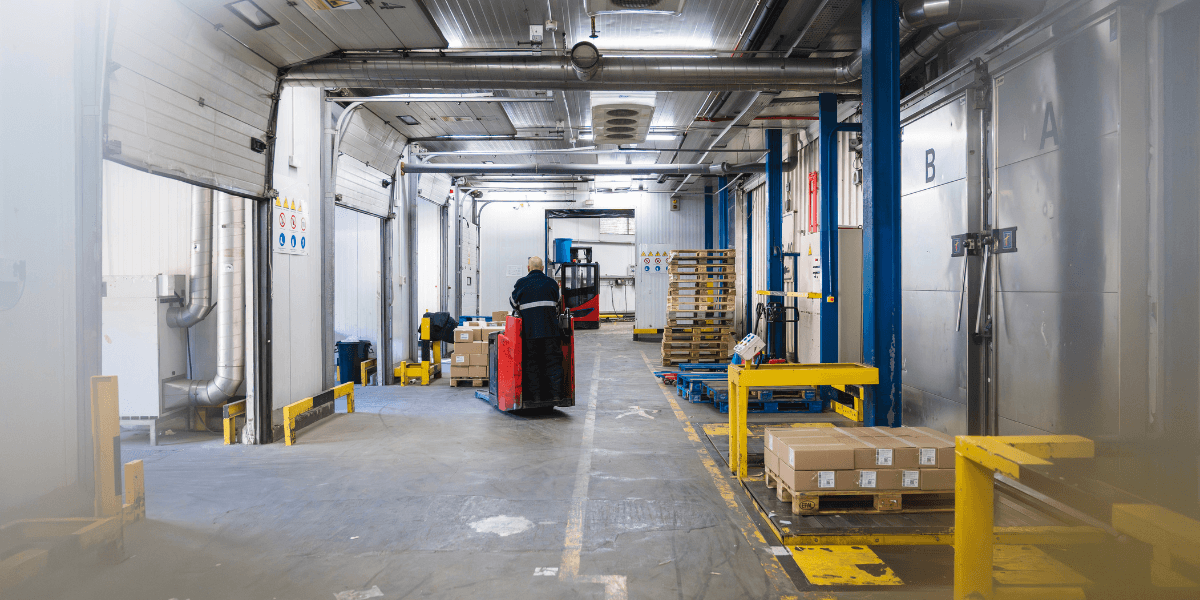
The commercial refrigeration sector is undergoing profound transformation, driven by evolving European and international regulations. The progressive reduction of high-GWP refrigerants, the adoption of natural blends such as CO₂, R290, or hydrocarbons, and compliance with environmental safety directives require manufacturers and operators to acquire increasingly in-depth technical knowledge.
It's no longer just a matter of complying with regulatory requirements, but of using these regulations as strategic levers to optimize consumption, improve efficiency, and reduce the environmental impact of systems. The informed adoption of sustainable refrigerants allows for reduced emissions, improved energy performance of commercial buildings, and the creation of resilient and safe systems, in line with European decarbonization and sustainability goals .
Specialist skills and ongoing training
The rapid evolution of technology and refrigerants requires a highly qualified HVAC/R supply chain. Designers, installers, and maintenance personnel must constantly update themselves on the characteristics of new fluids, safety regulations, and best operating practices. Training is no longer optional : it is an essential requirement to ensure reliable, safe, and high-performance systems.
In particular, professionals must develop skills in:
- management and maintenance of natural and low GWP refrigerants ;
- use and integration of digital and connected systems , including IoT sensors and predictive diagnostics software;
- application of national and European standards and regulations on safety and the environment;
- consumption optimization and support for the adoption of hybrid and renewable technologies ;
- planning effective interventions to reduce system failures and inefficiencies.
These skills are essential for reducing risks, improving operational performance, and leveraging the HVAC/R supply chain as a strategic lever for the energy transition.
Digitalization and intelligent control
Digitalization represents a strategic pillar for the future of commercial refrigeration. The integration of IoT sensors, monitoring platforms, and predictive analytics software allows for optimized consumption, reduced failures, and improved system operational management. Digitalized systems allow for real-time monitoring of parameters such as temperature, pressure, energy consumption, and component status, facilitating predictive maintenance and reducing waste.
This evolution also favors the adoption of hybrid and integrated solutions , such as high-efficiency heat pumps, natural refrigerants, and energy storage , creating more resilient, high-performance, and sustainable systems. Digitalization therefore becomes an essential tool for managing complex systems, maximizing efficiency, and ensuring ongoing regulatory compliance.
Towards more efficient and sustainable plants
Combining updated regulations, specialized skills, and digitalization allows for the construction of more efficient, safe, and sustainable commercial refrigeration systems, capable of meeting environmental and market demands. For HVAC/R professionals, this means being prepared to design, install, and manage complex systems that integrate advanced technology, low-impact refrigerants, and intelligent control.
The synergy between training, digital innovation, and regulatory compliance not only ensures compliance and security, but also creates business opportunities, enabling us to offer more efficient, reliable, and competitive solutions in a rapidly evolving market.

Related Focus


FAQ – Domande frequenti
Because the transition to low-GWP refrigerants, more efficient systems, and integration with renewable energy requires an updated supply chain. Regulations such as F-Gas, refrigerant safety and management, specialized technician skills, and digital tools for monitoring and control are essential to ensuring efficiency, safety, and operational continuity in commercial facilities.
The use of sensors, remote monitoring, alarm systems, and control platforms allows for monitoring temperature, pressure, energy consumption, refrigerant leaks, and component status. This enables timely intervention, cycle optimization, consumption reduction, and supports regulatory compliance, transforming data into operational decisions for the supply chain.
The main critical issues include staff training, component compatibility with new refrigerants, digital data management, safety in systems with flammable fluids, maintenance on existing systems, and coordination between manufacturers, installers, and operators. Without addressing these factors, the transition risks inefficiencies, operational risks, and regulatory noncompliance.
