




Refrigeration compressor retrofit: how to improve efficiency and performance without replacing existing systems
Retrofitting fixed-speed compressors improves system efficiency and performance without complete replacements.
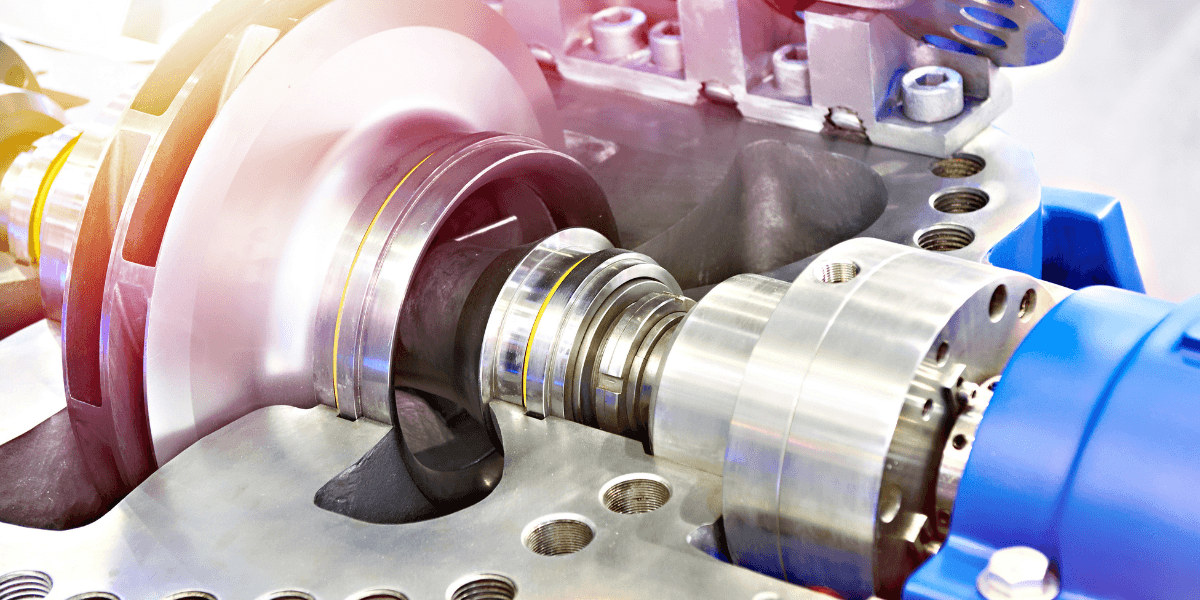
In the commercial and industrial refrigeration sector, a significant portion of operating systems still rely on fixed-speed compressors , installed in design contexts that diverge significantly from current efficiency standards. At a time when energy costs and regulatory requirements are rising, complete system replacement is not always sustainable.
For this reason, retrofit strategies are taking on an increasingly central role, offering the possibility of improving the performance of existing systems without invasive interventions.
The limitations of fixed-speed compressors
Traditional compressors operate at a constant speed, adjusting their cooling capacity through on-off cycles. This approach, while ensuring robustness and simplicity, presents some critical issues, especially when operating under variable loads.
Among the main limitations are:
- inefficiency at partial loads , typical of many real-world applications
- frequent on/off cycles that increase wear and tear and consumption
- electrical absorption peaks during start-up
- lower capacity to adapt to operating conditions
These factors directly impact the operating costs and lifespan of the systems, making it necessary to rethink management methods.
Retrofit and advanced control: new operational opportunities
Retrofit solutions are evolving toward smarter approaches, based on advanced control strategies that optimize compressor operation without replacing them. Rather than simply modifying the hardware, these technologies address how the system responds to load changes.
The new control logics allow you to:
- reduce the number of on-off cycles
- adapt operation to actual operating conditions
- improve the stability of the refrigeration system
- contain energy consumption and peak demand
According to some real-world applications, these interventions can lead to energy savings in the order of 20–22% and peak demand reductions of up to 30%, with relatively short payback times.
Energy efficiency and sector transition
Compressor retrofitting represents a middle ground between maintaining existing systems and completely replacing them . In an increasingly energy-efficient environment, these strategies allow legacy systems to be brought up to current standards, improving performance without incurring high costs or extensive downtime.
At the same time, the evolution towards variable speed technologies and intelligent systems confirms a clear direction for the sector: reducing energy waste and adapting plant operation to actual operational needs.
Towards a more advanced management of plants
For refrigeration professionals, retrofitting is a strategic tool for improving the competitiveness of existing systems. The integration of advanced control, monitoring, and operational optimization extends the life of the equipment and reduces operating costs.
In a market increasingly focused on sustainability and efficiency, the ability to intervene on existing systems represents a concrete opportunity to support the transition of the HVAC/R sector without sacrificing operational continuity.
FAQ – Domande frequenti
Retrofitting is particularly suitable for existing systems that are still structurally sound (refrigeration lines, evaporators, condensers) but have obsolete or inefficient compressors. It's a typical solution in commercial and industrial settings where performance needs to be improved without long-term system downtime or a major investment. It's also effective when adapting the system to new refrigerants or regulatory requirements (e.g., GWP reduction) while maintaining the existing architecture.
The main critical issues concern the compatibility between the new compressor and the rest of the system: refrigerant type, lubricant, operating mode, and control logic. It is essential to verify the operating conditions (pressures, temperatures, variable loads) and the suitability of auxiliary components (valves, exchangers, control systems). Furthermore, capacity management (inverter or modulation) must be consistent with the actual load profile to avoid inefficiencies or detrimental on/off cycles.
Retrofitting allows for a significant improvement in energy efficiency (COP/EER) thanks to more advanced compressors, often equipped with electronic control and modulating regulation. This reduces electricity consumption, improves temperature stability, and reduces component wear. Furthermore, it extends the system's useful life and makes it compliant with more stringent environmental standards, with a generally faster return on investment than a complete system replacement.
