




Maintenance of ammonia systems: safety and efficiency at the heart of management
Maintenance of ammonia systems is essential to ensure safety, efficiency, and operational continuity in industrial refrigeration.
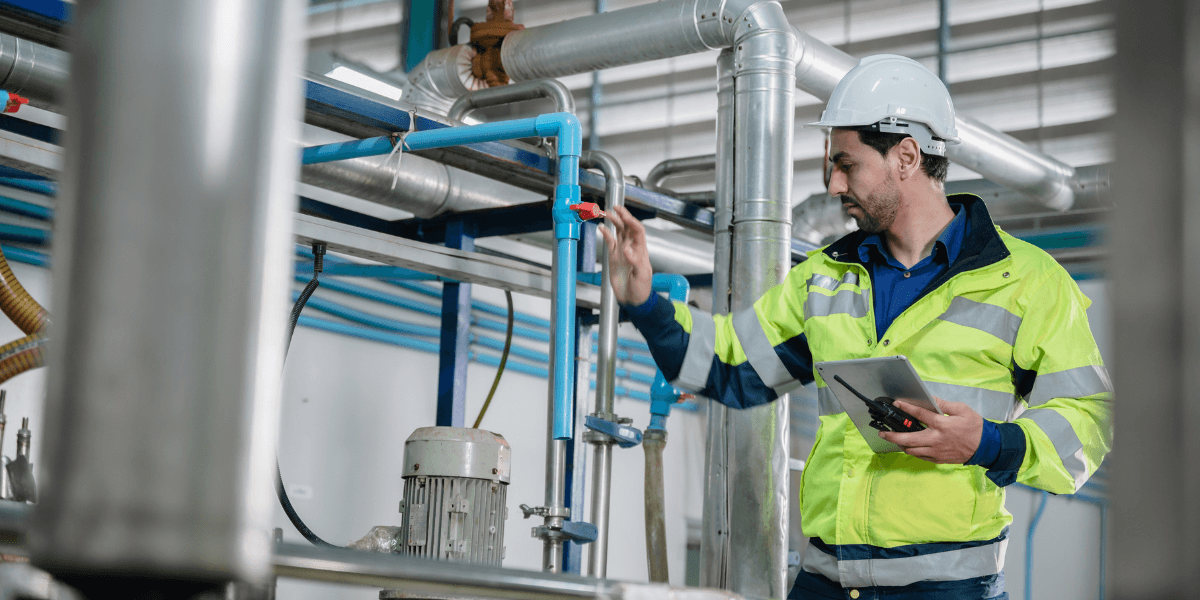
In the industrial refrigeration sector, ammonia (R717) continues to be one of the most efficient and sustainable refrigerants. However, its characteristics, including toxicity and flammability, make careful management of the systems essential, particularly from a maintenance perspective.
In this context, maintenance is not just an operational activity, but a strategic lever for ensuring service continuity, operator safety, and optimal system performance.
Scheduled maintenance and performance monitoring
Proper management of ammonia systems requires regular maintenance planning, aimed at preventing failures and reducing operational risks.
Interventions such as checking the cleanliness of components, replacing filters, and inspecting mechanical parts are essential to maintaining high levels of efficiency and limiting wear over time.
In particular, preventive maintenance allows you to:
- reduce the risk of refrigerant leaks
- maintain the system's energy performance constant
- avoid machine downtime and extraordinary costs
- extend the useful life of equipment
An increasingly relevant approach in a context where energy efficiency represents a key element for the sector's competitiveness.
Safety and skills: key elements in ammonia management
The use of ammonia requires high safety standards . Regulations require the use of qualified and adequately trained personnel, as well as the adoption of leak detection and control systems.
The presence of safety devices, such as ventilation systems and detection sensors, is essential to prevent risky situations and ensure operator protection. At the same time, ongoing staff training is essential for proper system management.
In this scenario, maintenance is intertwined with security , becoming an integral part of the overall management of the system.
Towards a more advanced management of industrial plants
Evolving technologies and regulations are pushing the industry toward increasingly structured and prevention-oriented management models. Advanced monitoring systems, leak detection, and predictive maintenance strategies now improve plant reliability and reduce operational risks .
For refrigeration professionals, this means adopting a more integrated approach, in which maintenance, safety and energy efficiency become closely interconnected.
In a context where ammonia continues to represent a strategic solution for industrial refrigeration, the quality of plant management remains a key factor in ensuring performance, sustainability, and long-term operational continuity.
FAQ – Domande frequenti
Maintenance is essential for ammonia systems to ensure operational safety and efficiency, preventing leaks, unexpected failures, and reduced performance. Scheduled maintenance increases system reliability and extends its lifespan.
Technical standards (such as UNI EN 378) require periodic inspections of critical components, ventilation systems, gas detectors, and alarm devices. Specifically, operating conditions must be regularly monitored and inspection records recorded to ensure the protection of people and equipment.
Effective management includes activities such as leak control, monitoring operating parameters, and preventative maintenance of key components. These practices optimize consumption, reduce risks, and maintain high performance over time.
