



Fighting illegal F-gas trade: Italy strengthens controls to protect the market and the environment.
In Italy, the fight against illegal F-gas trade is being strengthened with integrated controls between authorities, customs, and law enforcement to protect the environment and the market.
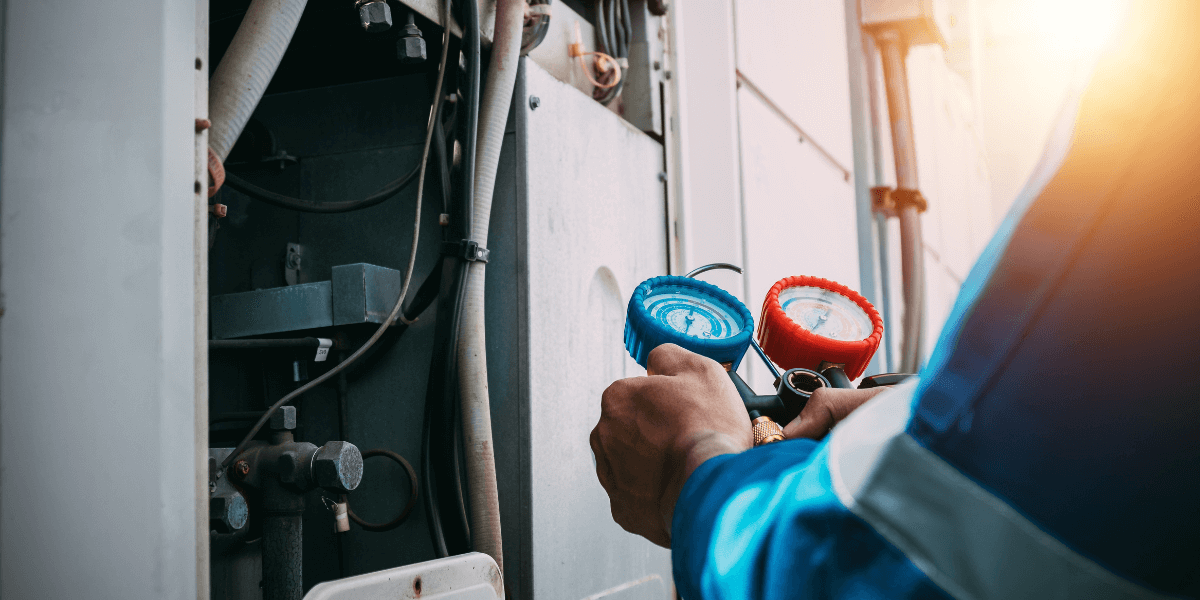
The phenomenon of illegal trade in fluorinated refrigerant gases (F-gases) represents a growing challenge for the refrigeration and HVAC/R sectors, with negative impacts on the environment, plant safety and fair competition.
To counter this trend, the Italian authorities have recently initiated operational coordination between institutions and law enforcement agencies , strengthening controls on imports and the domestic market.
This initiative aims to reduce the circulation of non-compliant products , to protect the European regulatory system and to guarantee fair competition conditions for operators who operate in compliance with the rules.
Controls and enforcement: an integrated approach
The strengthening of control activities involves a permanent table that coordinates various national authorities, with the aim of making surveillance of the refrigerant import and distribution chains more effective.
Key elements of this approach include:
- Institutional coordination between ministries, customs, and law enforcement agencies to improve strategies to combat illegal trade;
- Development of analysis and technical control methodologies, including through the use of specialized laboratories to verify the conformity of refrigerant products;
- Structured exchange of information and data between the entities involved , to monitor suspicious flows and irregular activities in real time;
- Control and repression campaigns , aimed at preventing and seizing gas shipments that do not comply with current regulations.
These actions not only strengthen enforcement, but also increase the authorities' operational capacity to counter complex trafficking networks.
Dangers of the F-gas black market
The illegal trade in non-compliant refrigerants exposes the HVAC/R sector to a series of concrete risks .
Gases released onto the market without adequate testing may be of uncertain or contaminated origin , with implications for plant safety, heat exchange efficiency, and system reliability. The use of non-compliant products can lead to malfunctions , premature component wear, and health risks for operators performing maintenance and installation.
Furthermore, the presence of illegal F-gases alters market dynamics , favoring unsustainable prices and penalizing companies that operate legally.
Countering this trend therefore means protecting the entire refrigeration sector and promoting competition based on product quality and regulatory compliance.
Impacts for professionals and the HVAC/R supply chain
For designers, installers, maintenance technicians, and distributors, strengthening F-gas controls requires a proactive approach to managing supplies and systems. It is increasingly important to select reliable suppliers, verify compliance documentation, and adopt practices that ensure the use of refrigerants legally placed on the market. At the same time, knowledge of regulatory developments and control procedures can facilitate compliance and prevent critical issues during inspections.
In this context, collaboration between operators and institutions becomes a strategic element: reporting suspicious products, participating in training initiatives and continuously updating technical skills are fundamental steps towards a safer, more sustainable and competitive HVAC/R market.