


Illegal Refrigerant Trafficking: A Global Phenomenon That Challenges the Safety and Integrity of the HVAC/R Supply Chain
Illicit refrigerant trafficking is a global problem that compromises the safety, quality, and competitiveness of the HVAC/R industry. Controls and traceability are becoming crucial.
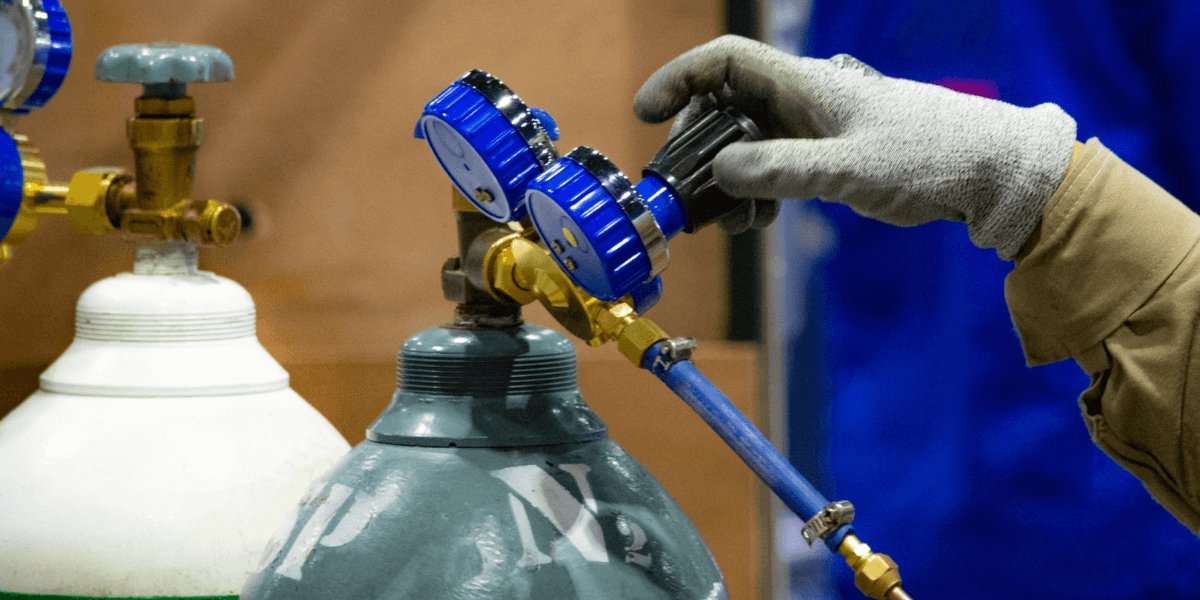
The illegal trade in refrigerants continues to represent one of the most critical challenges for the refrigeration supply chain.
During the latest technical discussions on the Montreal Protocol, experts and operators have highlighted a phenomenon that affects all markets: undeclared movements, non-compliant cylinders, uncertified fluids, and parallel channels that bypass the regulations on fluorinated gases .
For the HVAC/R sector, the implications are not only environmental: operational safety, system quality, and market competitiveness depend on the ability to counteract this trend.
A parallel market that feeds on regulatory restrictions
In recent years, the progressive reduction in HFC quotas has generated increasing pressure on the availability of conventional refrigerants.
In many countries, this has encouraged the emergence of unauthorized import networks : products sold outside of official circuits, without traceability or supplied in prohibited single-use cylinders.
The criticality is now recognized globally : from Asian countries to the main Western markets, illicit trafficking follows similar logic, exploiting gaps in controls, regulatory differences, and subtle logistical channels.
Technical and operational risks: why the problem affects the entire supply chain
The impact on the daily operations of HVAC/R operators is tangible. Illegal refrigerants can present:
- lack of purity certifications and analyses , with potential effects on the efficiency and durability of the components;
- uncertain miscibility , which puts compressors, valves and exchangers at risk;
- non-compliant, untested and potentially dangerous cylinders ;
- zero traceability , an element that exposes technicians and companies to operational and regulatory liabilities.
Maintenance or installation work performed with uncertified refrigerants can also generate unintentional emissions, undermining efforts to reduce climate-altering substances.
Implications for companies and refrigeration professionals
Illicit trafficking erodes the competitiveness of companies that operate in compliance with the regulations, distorting the market with artificially low prices and non-compliant products.
For technicians, installers and system managers, it therefore becomes essential:
- verify the origin, documentation and markings of the refrigerants purchased ;
- refuse supplies without labels, batch numbers or certifications;
- use only compliant and traceable cylinders;
- keep skills up to date on new regulations and low-GWP alternatives.
Supply chain responsibility increasingly depends on the quality of the products used and the transparency of supply channels.
Towards a more robust system: controls, traceability and alternative technologies
This phenomenon requires strengthening customs controls, greater cooperation between authorities, and digital certification tools.
At the same time, the spread of low-GWP refrigerants and natural solutions is reducing interest in the most critical gases, helping to limit the space for the black market.