



Distributed refrigeration with CO₂: towards more sustainable and high-performance systems
Distributed refrigeration with the natural refrigerant CO₂ (R-744) opens up new perspectives for efficiency, sustainability and modularity in commercial systems.
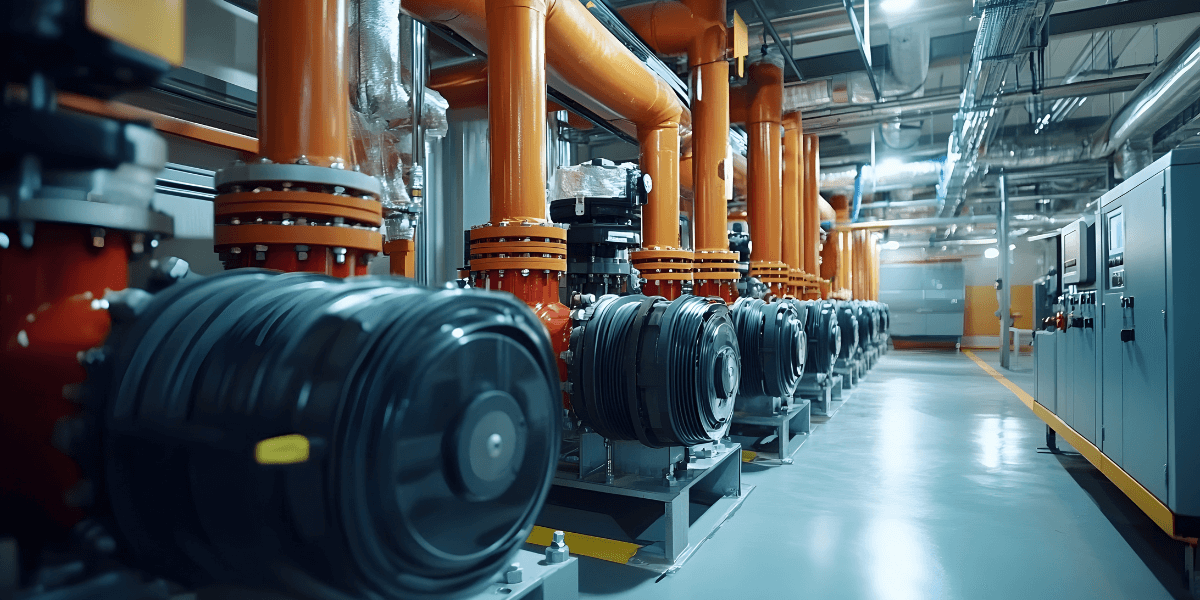
In the world of commercial refrigeration , distributed architecture continues to gain ground due to its flexibility, efficiency, and ability to adapt to different operating layouts. Traditionally associated with the use of refrigerants with a high climate impact, with evolving regulations and sustainability goals, this configuration is undergoing a transformation: the adoption of the natural refrigerant CO₂ (R-744) in distributed systems.
Until recently, the use of CO₂ was most common in large, centralized systems. However, advances in CO₂ scroll compression technology have made it possible to use R-744 even in more compact, distributed units. This opens up new opportunities for commercial refrigeration equipment manufacturers and cold chain operators seeking efficient, reliable solutions that comply with the most stringent environmental requirements .
What is distributed refrigeration and why does it matter?
Distributed refrigeration differs from traditional centralized systems because it uses multiple small or medium-sized refrigeration units located directly where the cold is needed, rather than large compressor banks in a machine room connected to the entire facility.
This architecture offers design flexibility, improved operational modularity, and potential maintenance and reliability advantages. Often, especially in small and medium-sized grocery stores, one or two distributed systems can effectively replace a central rack, simplifying management and reducing the risk of downtime.
With the introduction of R-744 in these configurations as well, distributed refrigeration maintains its design advantages and adds new ones in terms of sustainability.
CO₂ as a natural refrigerant: advantages for the future of refrigeration
Carbon dioxide (CO₂, or R-744) is a natural refrigerant with a GWP (Global Warming Potential) of 1 , no ozone depleting potential (ODP), and in line with increasing environmental regulations.
Its growing adoption is supported by technological innovations such as new scroll compressors specifically designed to operate with CO₂ in transcritical mode, making systems more compact, efficient and suitable for distributed deployments.
For refrigeration professionals, the transition to R-744 architectures offers the opportunity to:
- achieve sustainability and emissions reduction goals;
- align with regulations pushing for low climate impact refrigerants;
- design systems with better modularity and operational resilience .
This evolution marks an important step towards a greener and more performance-oriented refrigeration market, with solutions that combine energy efficiency, scalability, and reduced environmental impact.