


Data Center Cooling Solutions: Toward a More Sustainable Future
Data center cooling systems are evolving towards more efficient and sustainable solutions, integrating liquid technologies, heat recovery, and intelligent control.
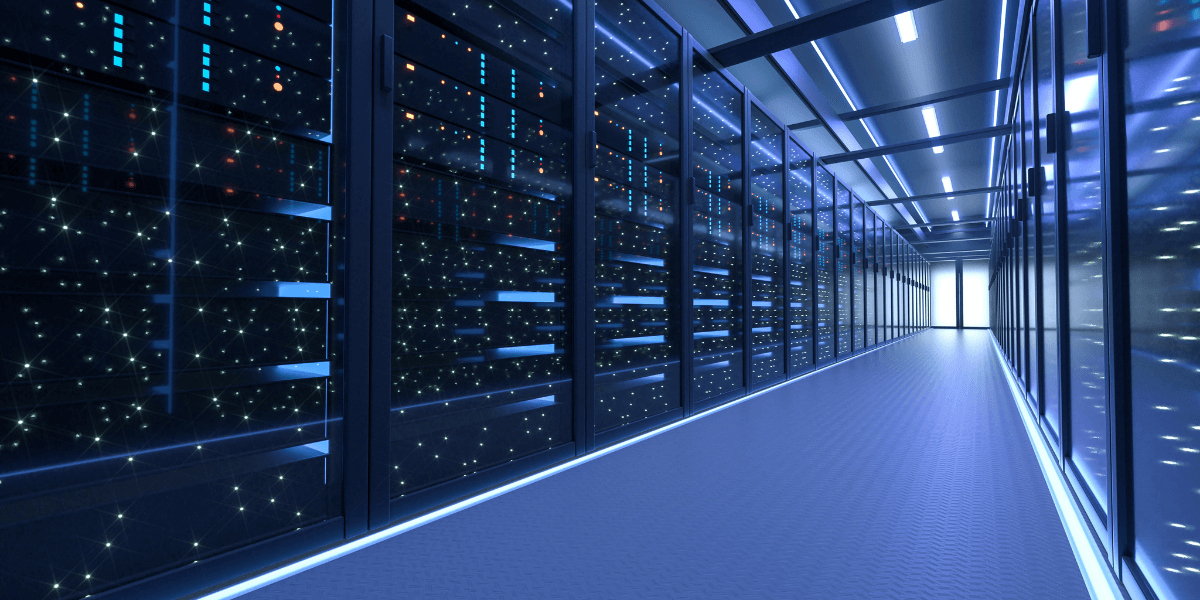
The exponential growth of data traffic, the expansion of cloud computing, and the evolution of digital applications have made data centers a crucial component of the global technology infrastructure.
However, thermal management of these facilities remains among the most complex challenges: cooling represents a significant portion of energy consumption and impacts both operational efficiency and the overall environmental footprint. In this context, cooling solutions are evolving rapidly , with technologies and design strategies designed to combine high performance and environmental sustainability.
New approaches for efficient cooling
Traditionally, data center air conditioning systems have relied on large HVAC units designed to remove large amounts of heat. Today, however, cooling solutions are moving toward more intelligent and integrated configurations that combine energy efficiency , precise control of environmental conditions, and dynamic load management. Key developments include:
- the adoption of liquid cooling systems , capable of transferring heat more directly and efficiently than traditional air technologies;
- the integration of heat recovery with external systems , allowing the thermal energy to be reused for other processes or for heating nearby buildings;
- the use of alternative fluids with low environmental impact , which allow for the reduction of both consumption and indirect emissions linked to the production and distribution of energy.
These approaches not only improve thermal performance, but also help reduce Power Usage Effectiveness (PUE), a crucial factor for the operational competitiveness of data centers today.
Digitalization and intelligent control in cooling systems
Another key element in the evolution of data center cooling is the digitalization of control systems . Real-time monitoring technologies, predictive algorithms, and advanced management platforms allow technicians to optimize cooling flows based on load variations, preventing waste and reducing consumption peaks.
The integration of distributed sensors and automation systems also enables the implementation of adaptive cooling strategies, where energy is used proportionally to actual workloads. This type of control not only improves overall efficiency but also reduces the risk of thermal overloads or unnecessary duty cycles.
Impacts for commercial and industrial refrigeration
The transition to more sustainable data centers opens up concrete opportunities for the commercial and industrial refrigeration sector. Advanced cooling technologies require specific expertise in design, refrigerant selection, and control system integration, with an increasingly central role for HVAC/R professionals.
For designers, the use of low-impact fluids and liquid cooling solutions requires a different assessment of performance and system requirements . For installers, the complexity of integrated systems requires specialized training and the adoption of operating practices that ensure long-term safety and reliability. Finally, for plant operators and facility managers, managing intelligent cooling systems becomes a strategic element for containing energy costs and improving the overall sustainability of the data center infrastructure .