



CO₂ or A2L in commercial refrigeration: criteria for choosing between sustainability and system design
CO₂ and A2L in commercial refrigeration: system differences, performance, safety, and selection criteria.
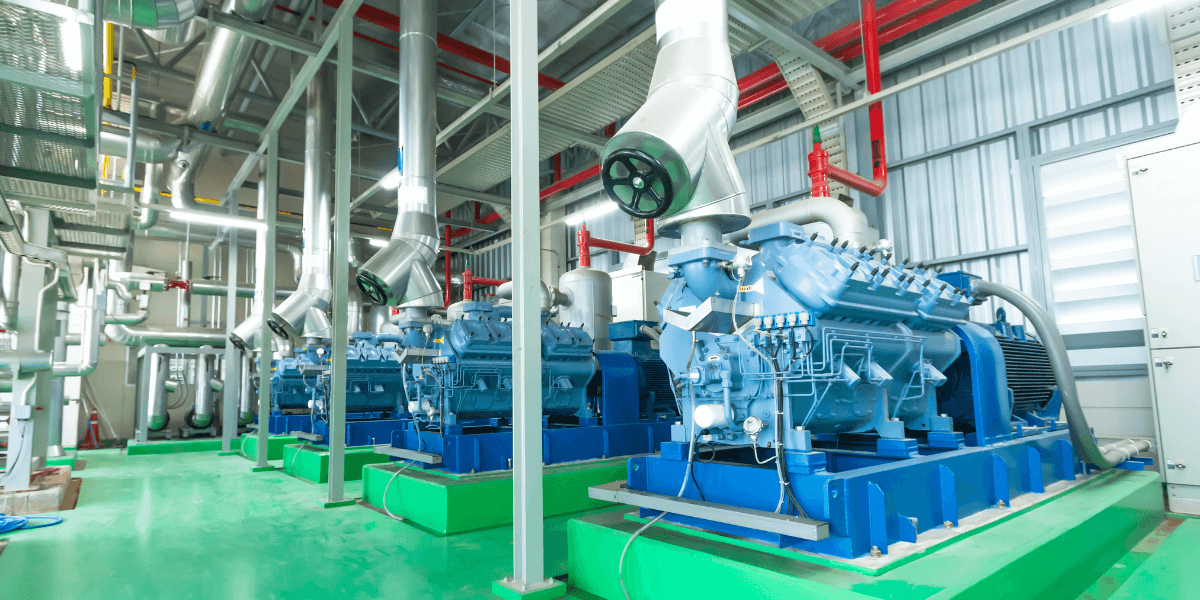
The transition to low-GWP refrigerants is redefining design choices in commercial refrigeration, particularly in the large-scale retail, food retail, and centralized applications sectors . In this scenario, CO₂ (R744) and A2L refrigerants currently represent the two main alternatives to traditional HFCs.
The choice between these solutions cannot be standardized: it depends on the system architecture, climatic conditions, available skills, and safety requirements, making a thorough technical evaluation essential right from the design stage.
CO₂ and A2L: system and operational differences
In commercial refrigeration, CO₂ and A2L respond to different design logics, which must be evaluated based on the scale of the system, the climatic context, and the available skills.
CO₂ systems (R744)
CO₂ is now a well-established structural solution for medium- and large-scale centralized systems, particularly in large-scale retail outlets. Its main features are:
GWP equal to 1, which guarantees full regulatory compliance even in the long term;
- high operating pressures , which require dedicated components and advanced design;
- booster architectures are widely used , especially in temperate and cold climates;
- high heat recovery potential , increasingly exploited for integration with heating and DHW production;
- greater system complexity , compensated by a definitive solution from an environmental point of view.
Systems with A2L refrigerants
A2L refrigerants are positioned as an alternative or transitional solution, especially in small and medium-sized applications. In this case, the distinguishing features are:
- low GWP , with operating characteristics similar to traditional HFCs;
- lower operating pressures , which simplify design;
- possibility of using components similar to existing systems , reducing the impact on initial investments;
- mild flammability , which requires charge limits, dedicated safety systems and careful evaluation of the installation environments;
- greater application flexibility , in the face of regulatory and security constraints that must be carefully managed.
Energy efficiency, safety and life cycle costs
From a performance standpoint, CO₂ systems can ensure high overall efficiency , especially when integrated with heat recovery and load optimization strategies. In hot climates, however, maintaining performance requires advanced system solutions, which directly impacts complexity and initial investment.
A2L-based systems, on the other hand, have greater performance stability over a wide climate range , but require rigorous management of safety aspects, both in the design phase and during operation and maintenance.
From a total cost of ownership perspective, the choice must consider not only the initial investment, but also:
- long-term energy consumption;
- maintenance costs and availability of specialized skills;
- adaptation to future regulatory developments;
- flexibility of the system over time.
What solution for commercial refrigeration?
There's no single answer to the question of whether to choose between CO₂ and A2L. For large, centralized systems with long-term environmental goals, CO₂ represents a structural and definitive solution. In small and medium-sized applications, or in contexts where system simplicity is a priority, A2L systems can offer a good compromise between sustainability, costs, and ease of implementation.
For refrigeration professionals, the challenge is to carefully evaluate each project, integrating regulations, performance, safety, and available skills, to create reliable, efficient systems that meet market needs.