




CO₂ Refrigeration: Why More and More Companies Are Choosing It
CO₂ refrigeration is establishing itself as an efficient and sustainable solution for the refrigeration sector, thanks to its energy, economic and regulatory advantages.
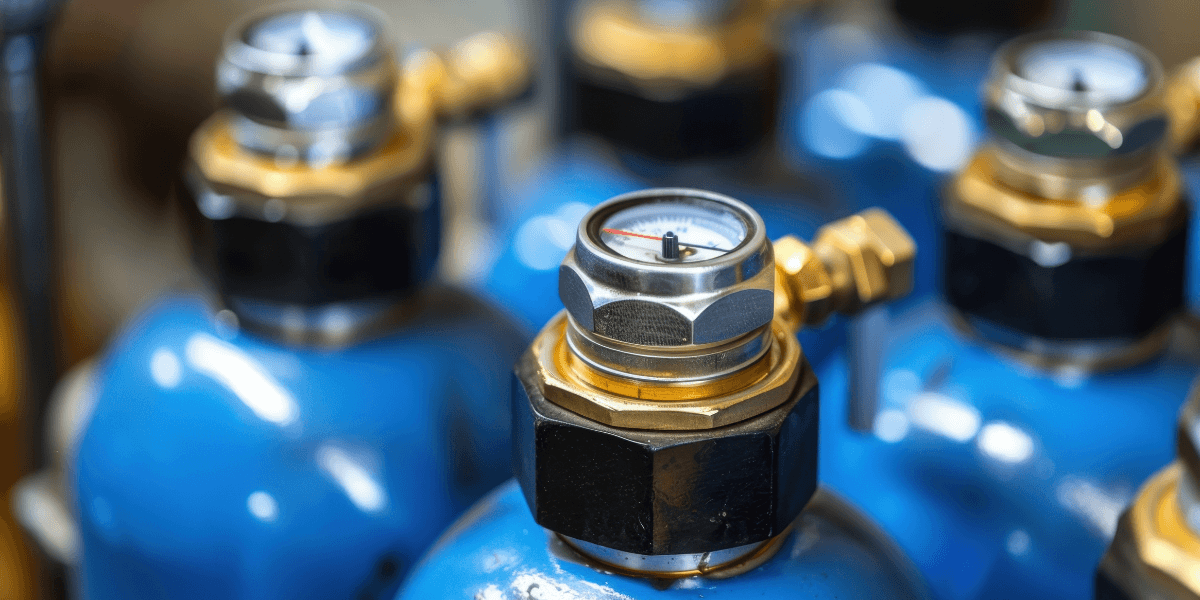
CO₂ refrigeration is gaining increasing attention in the commercial and industrial refrigeration sector. Regulatory pressures on fluorinated refrigerants, combined with the search for more sustainable and efficient solutions, are pushing many cold chain operators to evaluate systems based on natural refrigerants such as carbon dioxide (R744).
In recent years, the evolution of transcritical technologies has improved the performance of these plants, making CO₂ an increasingly competitive solution from an economic and operational standpoint.
Energy efficiency and heat recovery
One of the main advantages of CO₂ systems is energy efficiency . The latest technologies, such as ejectors, parallel compression, subcooling, and adiabatic cooling, allow modern transcritical systems to achieve high performance even in complex climates.
Another interesting element is the possibility of exploiting the recovery of high-temperature heat generated by the system . This heat can be used for various applications, including:
- production of domestic hot water
- space heating
- HVAC load support
In some cases, adopting heat recovery can reduce heating energy demand by 30% to 60%, helping to improve the overall efficiency of the system.
Economic costs and benefits in the life cycle
Historically, transcritical CO₂ systems had slightly higher initial costs than HFC- or HFO-based solutions. However, with the growing adoption of this technology, the difference in initial investment has gradually narrowed, reaching, in many cases, essentially the same cost.
The economic benefit emerges especially in the long term. Among the factors that contribute to reducing the total cost of ownership (TCO) are:
- lower energy costs over the life cycle of the plant
- much lower costs of CO₂ refrigerant compared to HFCs and HFOs
- reduction of costs related to refrigerant leaks
- lower maintenance costs over time
Furthermore, adopting a natural refrigerant like CO₂ allows operators to reduce future regulatory risks, avoiding potential costs related to F-gas phase-downs, carbon taxes, or the need for system retrofits.
An increasingly widespread technology in commercial refrigeration
The combination of environmental benefits, energy efficiency and regulatory stability is favouring the growing diffusion of CO₂ refrigeration , especially in large-scale food distribution and cold chain applications.
For refrigeration professionals, understanding the economic and technological value of these solutions is becoming increasingly important, as the transition to natural refrigerants represents one of the major evolutions in the HVAC/R sector.

FAQ – Domande frequenti
CO₂ (R-744) is a natural refrigerant with a very low global warming potential (GWP of 1), significantly lower than many synthetic HFC refrigerants used in the past. This makes it a compatible solution with environmental regulations and the HVAC/R industry's decarbonization strategies.
CO₂ systems can guarantee high efficiency thanks to the refrigerant's excellent thermodynamic properties and advanced systems such as transcritical or booster systems. In many cases, they allow for more efficient management of the cooling load and a reduction in energy consumption compared to traditional systems.
The progressive reduction in HFCs required by the F-Gas regulation and the growing focus on sustainability are pushing many companies toward natural refrigerants like CO₂. This technological transition allows for a reduction in the environmental impact of refrigeration systems and anticipates future regulatory constraints.
