



CO₂ Architectures in Refrigeration: A Comparison of Booster, Cascade, and Secondary Loop Systems
Booster, cascade, and secondary loop systems compared: the main CO₂ architectures for efficient and sustainable refrigeration.
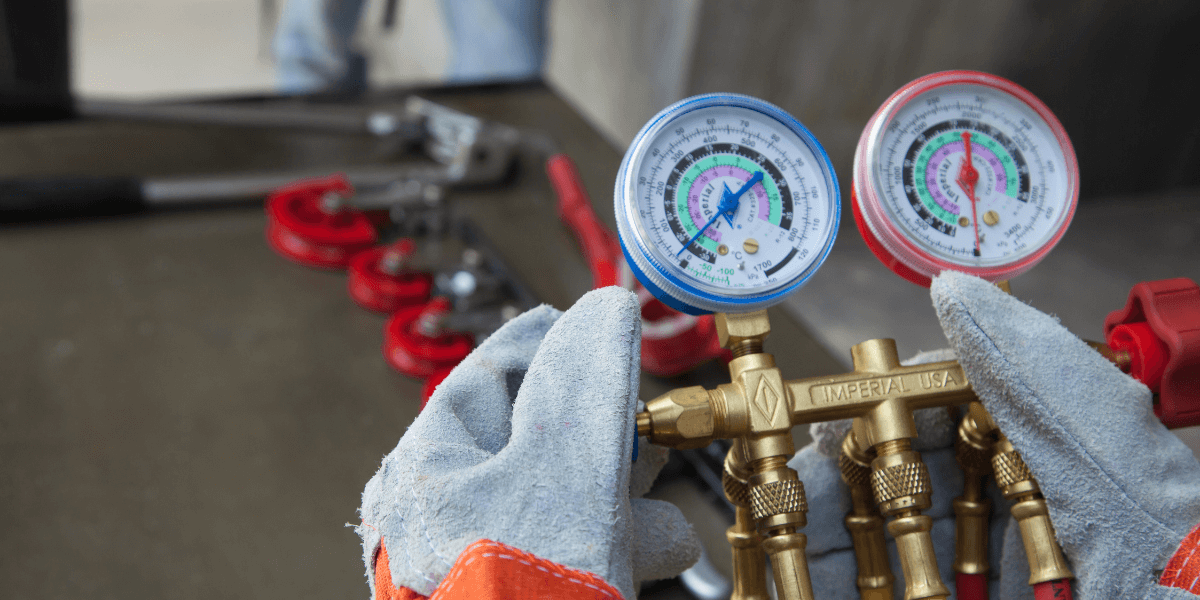
In the transition to low-emission refrigeration, CO₂ (R744 ) has established itself as one of the most widely used natural refrigerants in commercial and industrial refrigeration. Its GWP of 1 , global availability, and good thermodynamic performance make it a practical solution to meet the growing regulatory and environmental demands of the HVAC/R sector.
Today, the real difference is no longer in the choice of refrigerant, but in the system configuration: the different CO₂ architectures allow the system to be adapted to climatic conditions, thermal loads and the plant's energy objectives.
The main CO₂ architectures compared
The most common CO₂ architectures—booster, cascade, and secondary loop—vary in structure, complexity, and application. Choosing the most suitable solution requires a careful assessment of the operating conditions and required performance.
In summary, the main characteristics of the three architectures can be summarized as follows:
- Cascade system: uses two separate refrigerant circuits, one of which uses CO₂ for low temperatures. It ensures good performance even in hot climates, thanks to the subcritical operation of the CO₂ circuit, but involves greater system complexity and higher installation costs.
- Booster system: uses only CO₂ for medium and low temperatures, simplifying design and reducing environmental impact. It is currently the most common solution in commercial refrigeration and large-scale retail trade, especially in European contexts, although in warmer climates it requires advanced solutions such as ejectors or parallel compression to maintain high efficiency.
- Secondary loop system: uses CO₂ as the secondary pumped fluid. It reduces the primary refrigerant charge and improves safety, but has lower efficiency than other architectures due to losses associated with the pumping circuit.
Technical aspects and required skills
The adoption of CO₂ as a refrigerant presents design and operational challenges related to high operating pressures and transcritical cycle management. Designers, installers, and maintenance personnel must have specific skills that include precise pressure control, heat recovery management, and performance optimization based on external temperature.
Also essential is the use of components certified for high-pressure CO₂ and ongoing training for technical staff, necessary for safe operation and compliance with European regulations. An integrated approach allows for reliable, efficient, and long-lasting systems.
Towards more efficient and decarbonised refrigeration
The spread of CO₂ architectures is driving the refrigeration industry toward increasingly efficient, sustainable, and competitive models. The ability to adapt the system architecture to specific operating conditions allows for reduced energy consumption and operating costs, while also improving the systems' environmental compliance.
For HVAC/R designers and operators, the challenge today is to choose the most suitable architecture, integrating advanced technological solutions and specialized skills to create truly sustainable, safe, and high-performance systems over the long term.