





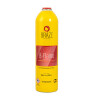
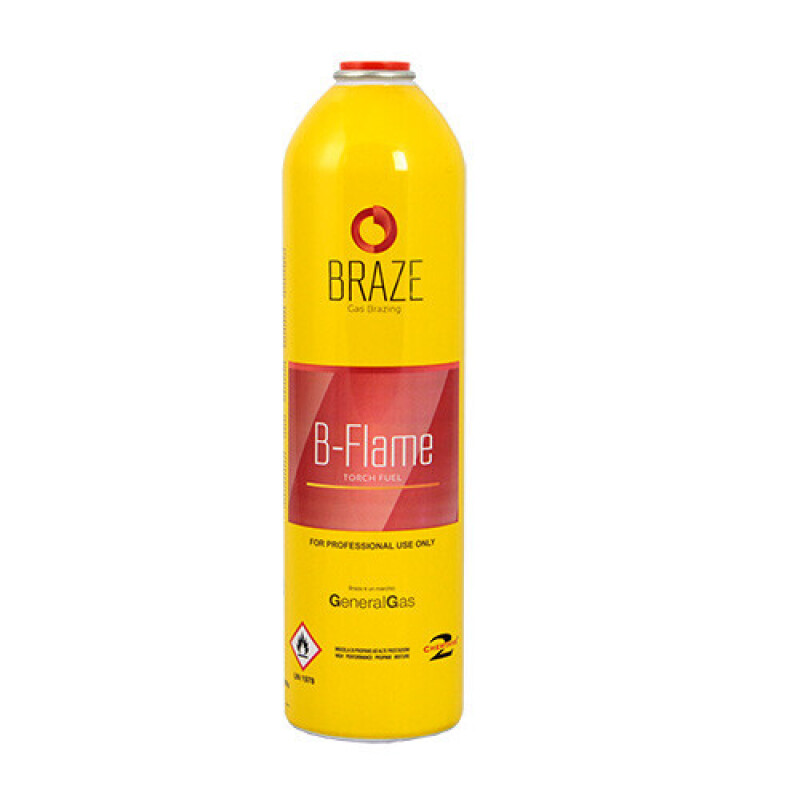
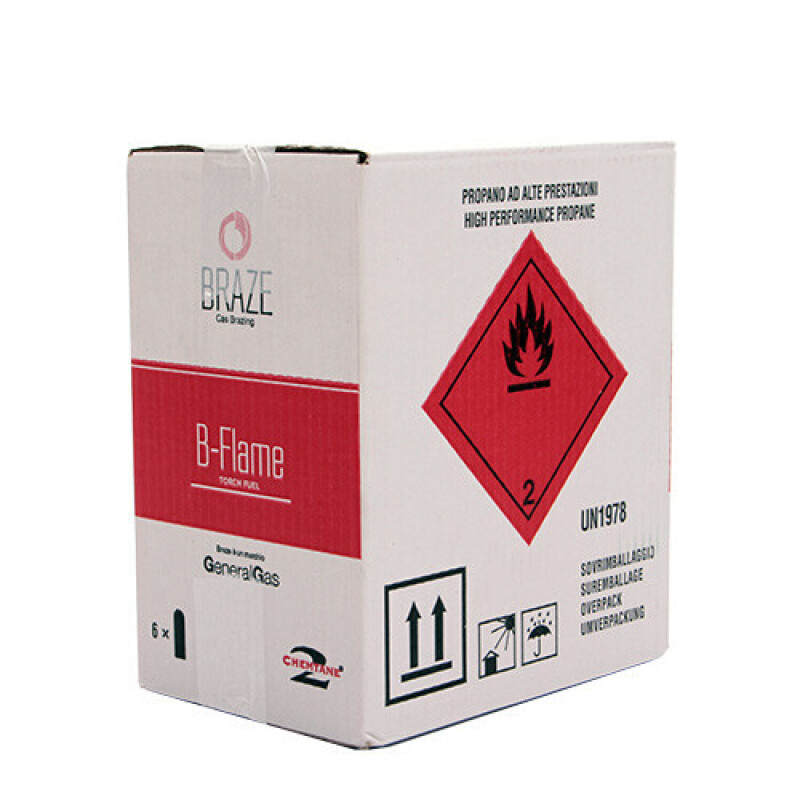
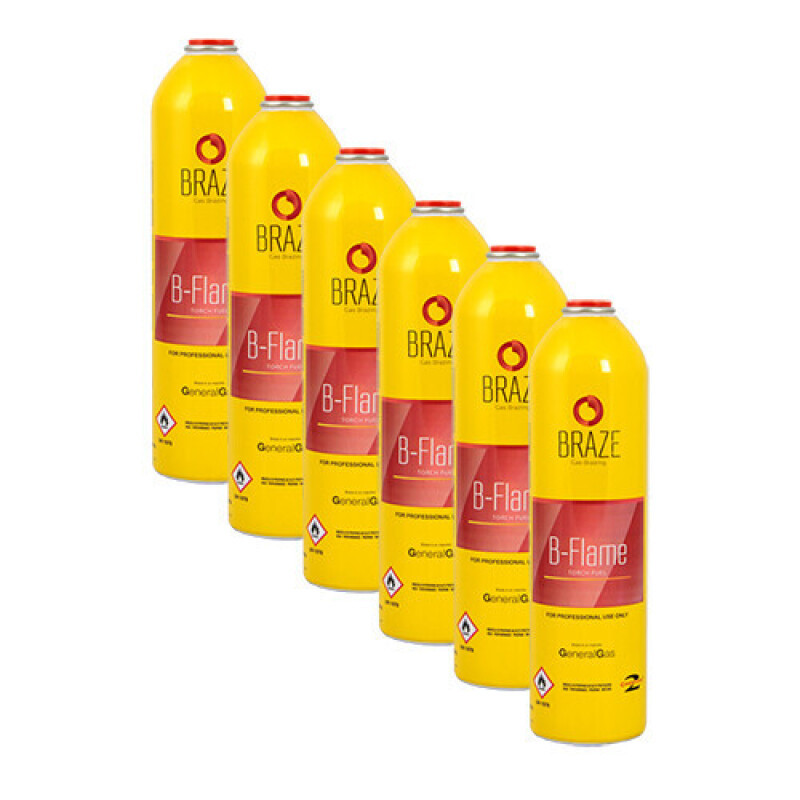
B-FLAME Cylinders 1 L / 385 g – Gas mixture with chemtane additive for brazing

B-FLAME Single-Use Gas Cylinders with a chemtane-enhanced mixture, designed for high-temperature welding and brazing with flames reaching up to approximately 2,900 °C; ideal for HVACR technicians, installers, and both soft and hard brazing operations.
Description
The B-FLAME 1 L / 385 g cylinders contain a gas mixture with added chemtane, which raises the flame temperature compared to standard gas cylinders, providing higher thermal output and faster heat transfer. This makes them particularly suitable for light welding and brazing on pipes and metal components in the refrigeration, air conditioning, plumbing, and industrial maintenance sectors.
Made with aluminum containers and equipped with an aerosol valve with 7/16” 20 UNF connection (European standard), the cylinders are easy to connect to compatible torches and burners. The mixture contains no toxic components, ensuring consistent performance and enhanced safety for the operator during use.
Technical features
B-FLAME Gas Mixture with added chemtane for a hotter, faster flame compared to additive-free gases.
Maximum Flame Temperature: Up to approximately 2,900 °C, suitable for fast and efficient brazing.
High Calorific Power: Promotes faster heat transfer to the metal, accelerating soldering and brazing operations.
Applications:
-
Soft Brazing: Up to approximately 450 °C
-
Hard Brazing: From approximately 450 °C to 1,100 °C
Construction and Connection:
-
Container: 1 L aluminum cylinder
-
Gas Content: Approximately 385 g
-
Valve: Aerosol type with 7/16” 20 UNF connection – European standard for pressure cylinders
Safety and Handling:
-
Highly flammable: the cylinder contains pressurized gas and may explode if heated
-
Store in a well-ventilated area, away from heat sources, sparks, and open flames
-
Do not expose to temperatures above 50 °C and avoid smoking nearby
-
Do not pierce, puncture, or incinerate the cylinder
Packaging:
-
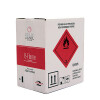
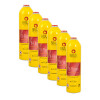
B-FLAME 1 L / 385 g cylinders are available in packs of 6 – ideal for professional use or on-site operations requiring frequent brazing.
Available documents

Related products


Request information for:
B-FLAME Cylinders 1 L / 385 g – Gas mixture with chemtane additive for brazing