



Ammonia refrigeration: a century-proof technology between continuity and innovation
Ammonia refrigeration, which has been around for over a century, continues to evolve as an efficient and sustainable solution for industrial refrigeration.
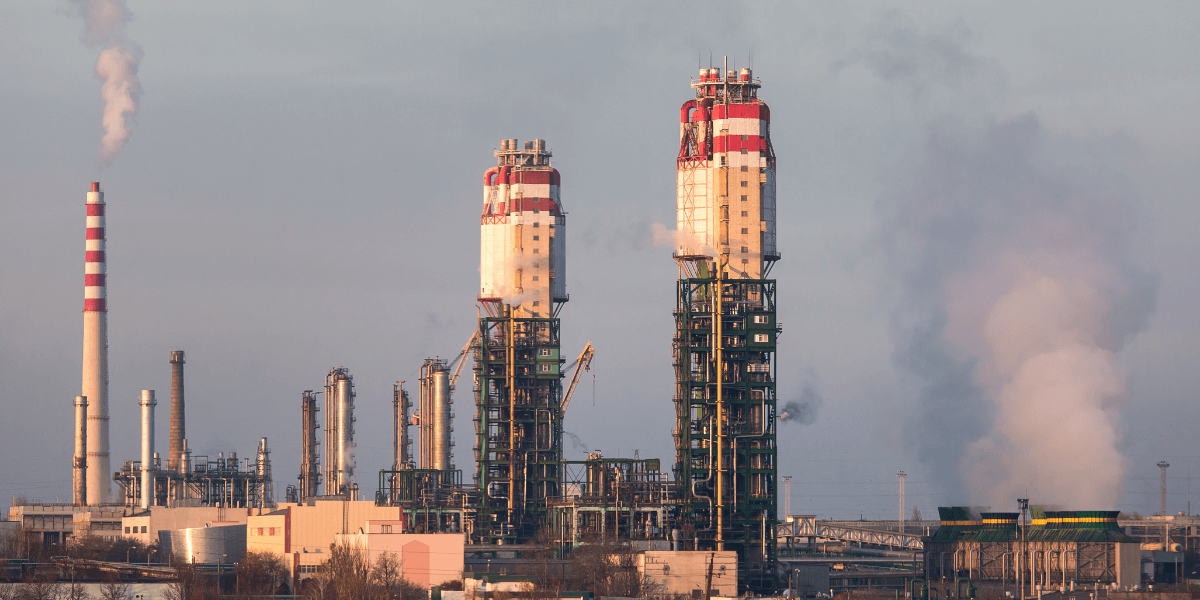
Ammonia (NH₃) refrigeration represents one of the longest-standing and most consolidated technologies in the industrial refrigeration sector. Already at the end of the 19th century, with the evolution of the first mechanical systems, ammonia established itself as the reference refrigerant , contributing decisively to the development of industrial refrigeration and, subsequently, the global cold chain.
During the twentieth century, this technology accompanied the expansion of large-scale food production, enabling the preservation , transport , and distribution of perishable products . The introduction of more advanced compressors and increasingly compact systems further consolidated the role of ammonia in large-scale plants, especially in the food and beverage sectors and in refrigerated logistics.
Why ammonia remains a current choice
Despite the historical alternation with synthetic refrigerants, ammonia has maintained a central position over time thanks to characteristics that are even more relevant today:
- High thermodynamic efficiency , particularly advantageous in industrial applications
- Negligible environmental impact , with zero GWP and no effects on the ozone layer
- Ability to operate in high power systems with high reliability
These elements explain why, with the progressive elimination of high-GWP refrigerants, the sector is witnessing a strong return to natural refrigerants, among which ammonia continues to represent one of the most solid and mature solutions.
Innovation, safety and new application areas
Defining ammonia refrigeration as a "historical" technology risks being reductive. In recent decades, the sector has invested significantly in safety , standardization , and system innovation , profoundly transforming the way these systems are designed and managed.
Regulatory developments and the introduction of more stringent safety protocols have led to the development of more compact solutions, indirect systems, and configurations that reduce refrigerant charges, expanding the scope of application even in previously less accessible contexts.
At the same time, ammonia is finding new applications beyond the traditional industrial field, contributing to complex thermal management systems, energy recovery and integration with other technologies.
A consolidated technology for an evolving sector
In the current context, characterized by increasingly stringent regulations and the need to reduce the environmental impact of refrigeration systems, ammonia confirms its position as a technology capable of combining reliability, performance, and technical evolution.
For designers, manufacturers, and refrigeration operators, the challenge isn't so much rediscovering this solution as reinterpreting it in light of new market demands: greater safety, system integration, and energy optimization.
In this sense, ammonia refrigeration represents a concrete example of a technology that, despite its roots in the past, continues to be perfectly consistent with the future challenges of the sector.